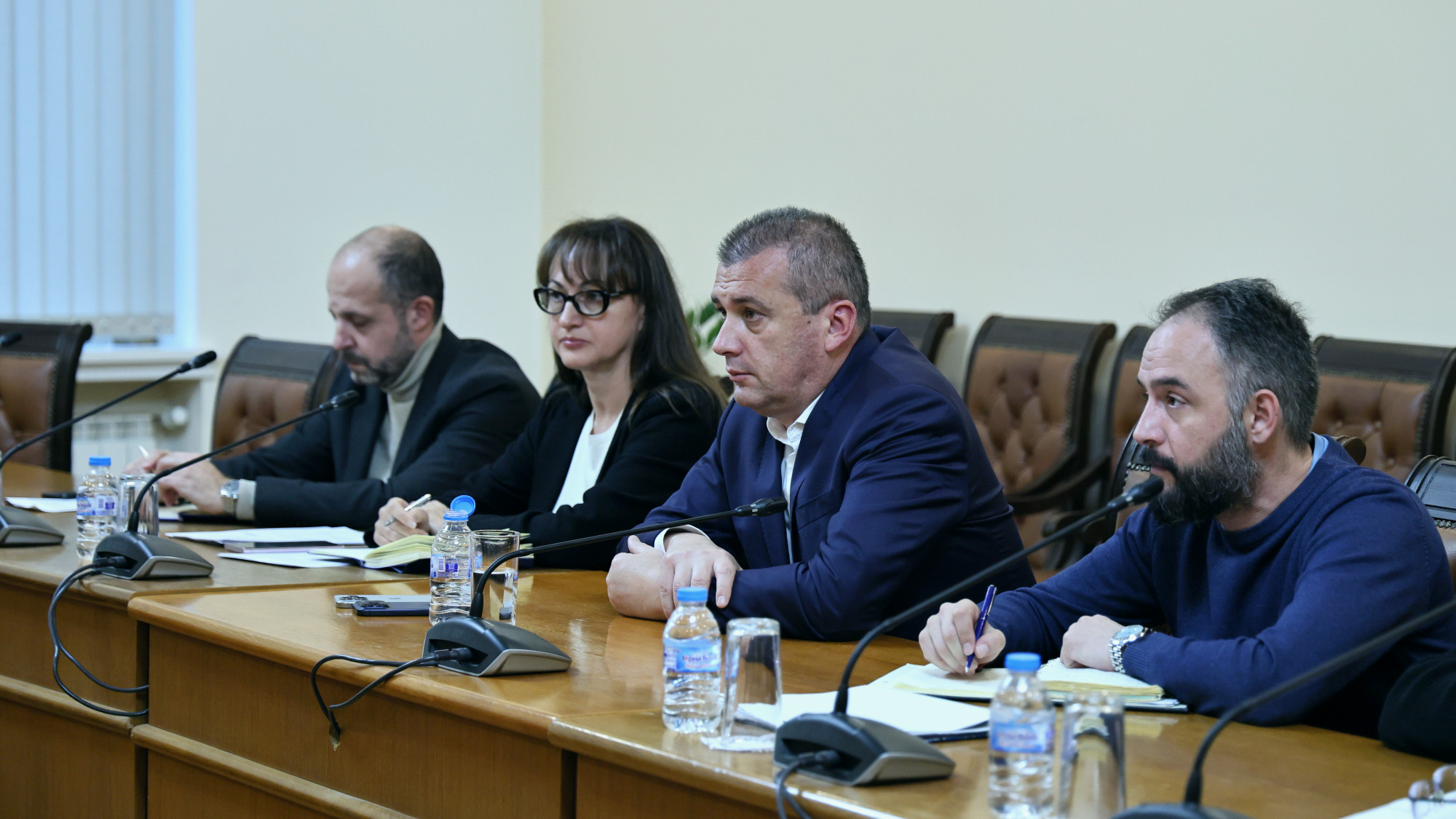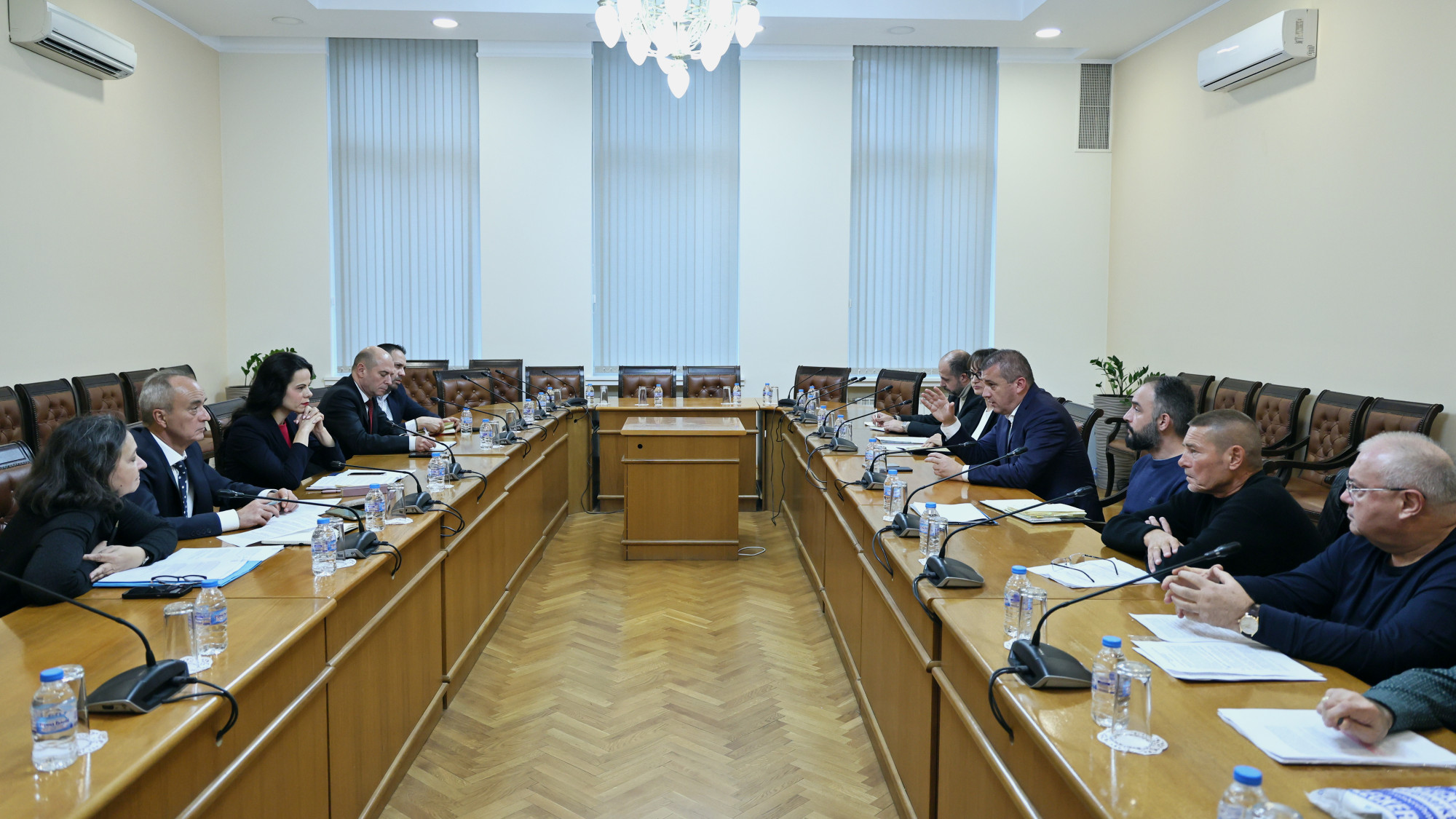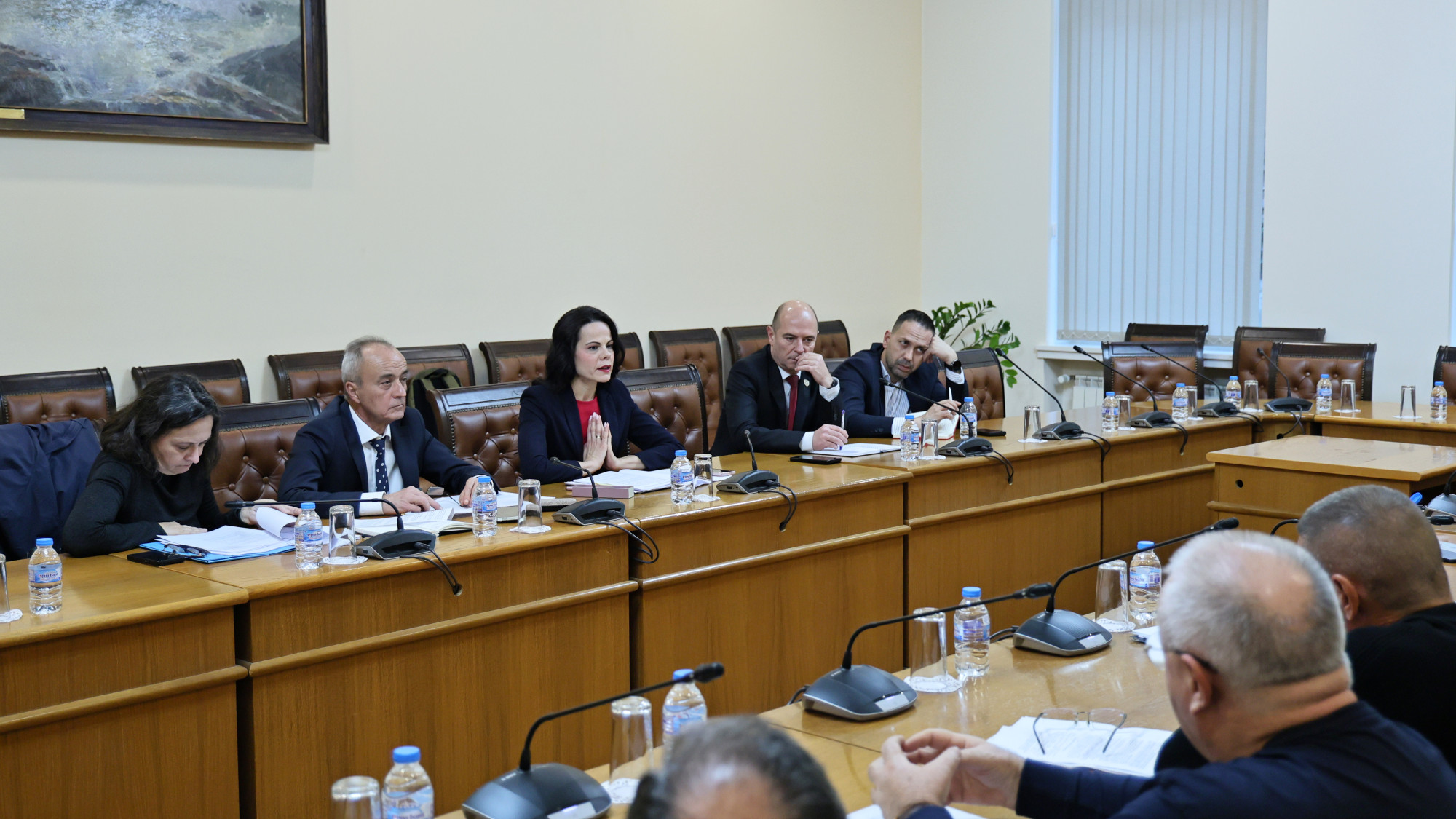
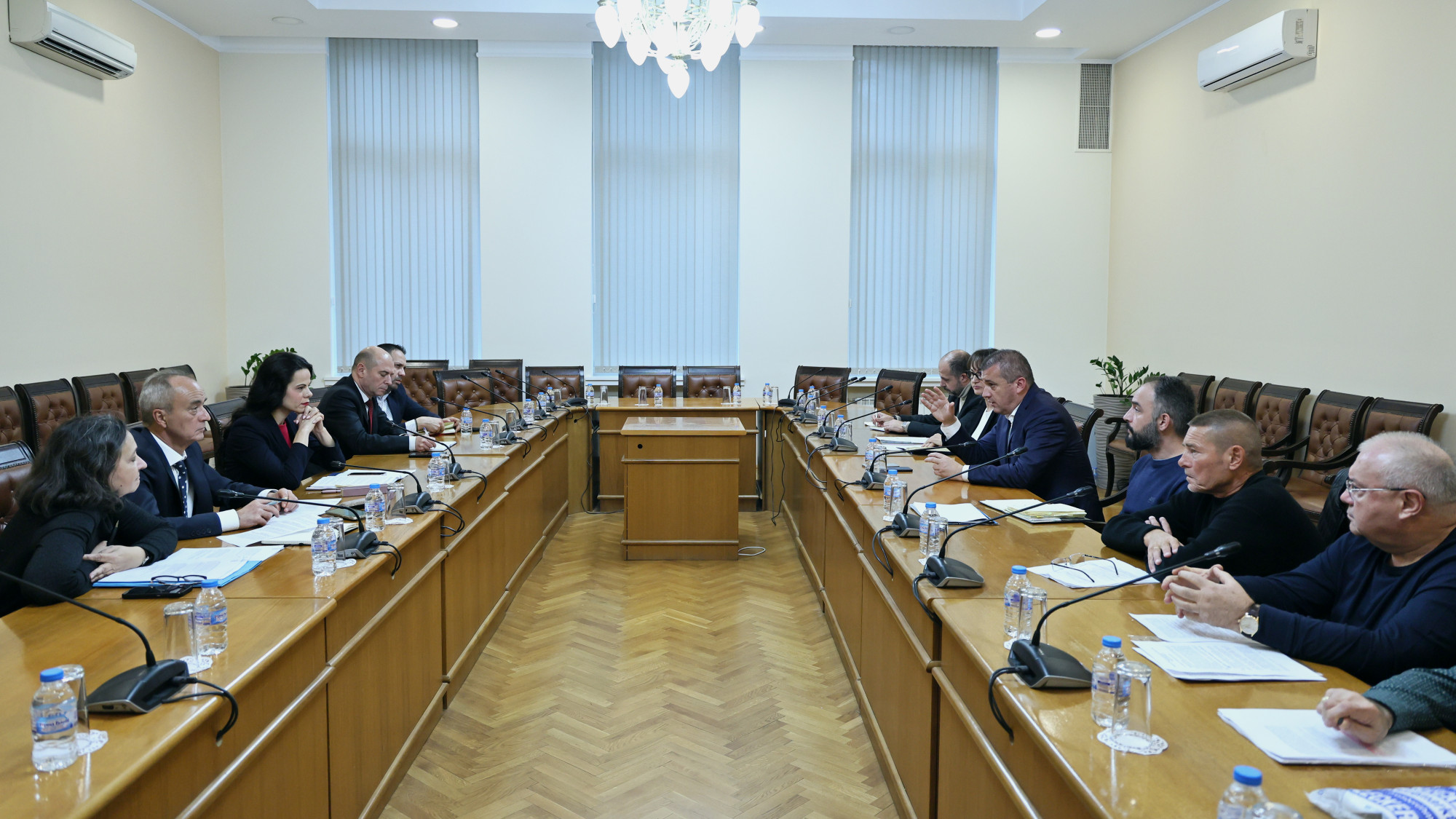
Opportunities for more effective information exchange between healthcare institutions and the Ministry of Interior with a view to improving road safety were discussed at an inter-institutional meeting. It was hosted by the Minister of Transport and Communications, Georgi Peev, and attended by the Minister of Health, Katya Ivkova, and her deputy, Nikolay Valov, the Deputy Minister of Interior, Kaloyan Kaloyanov, representatives of the Ministry of Finance, as well as medical and administrative experts from healthcare institutions in which medical expert commissions operate.
The reform of the Territorial Expert Medical Commissions (TEMC) is among the Government’s priorities for 2027. One of the main tasks is to improve information connectivity between institutions, so that the necessary data reach the competent authorities in a timely manner and support decision-making.
“Our ambition is for the reform of medical expert assessment to bring about real change in the way the system functions. We have the potential to build more effective prevention mechanisms that ensure citizens’ safety and protect their rights. This requires clear rules, consistent action and shared responsibility between institutions,” said the Minister of Health, Katya Ivkova.
She noted that the total number of active expert decisions of the TEMC and the National Expert Medical Commission (NEMC) is 672,032, of which 180,163 concern permanently reduced working capacity of over 90%.
The Minister of Transport and Communications, Georgi Peev, pointed out that the main task of the so-called “digital core” within the road safety reform is to analyse the factors leading to road traffic accidents. The data will support risk assessment and the work of Traffic Police officers during checks, including through information available on their mobile devices.
Among the measures discussed is connecting the information systems of the TEMC and the NEMC with the systems of the Ministry of Interior, including the central register of motor vehicle drivers.
This will make it possible for information on medical fitness to drive to reach the competent authorities in a timely manner. The exchange is to be carried out in compliance with the requirements for personal data protection and medical confidentiality.
Better coordination between institutions will allow for more timely identification of risks and the application of measures to improve road safety based on reliable data.