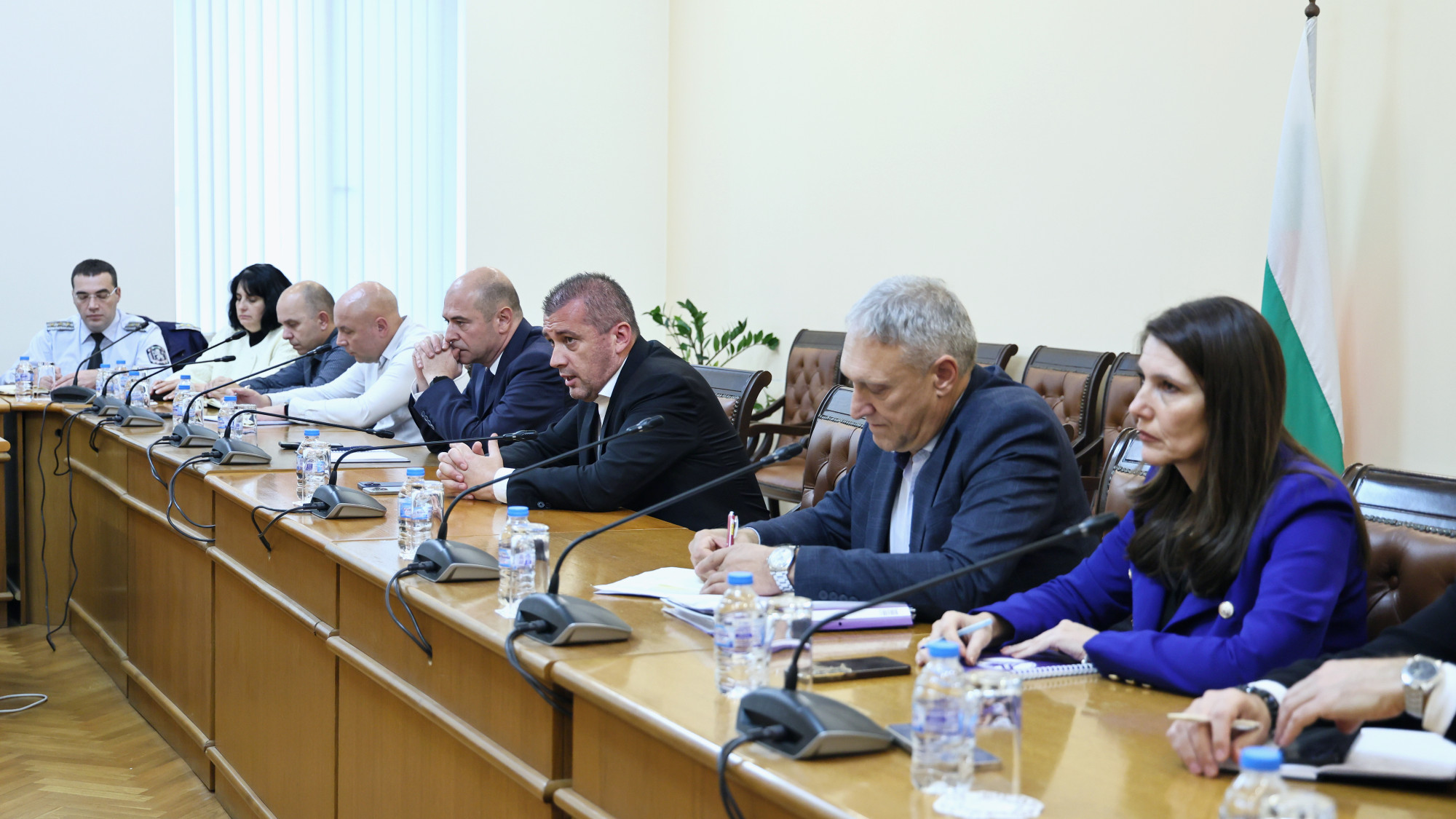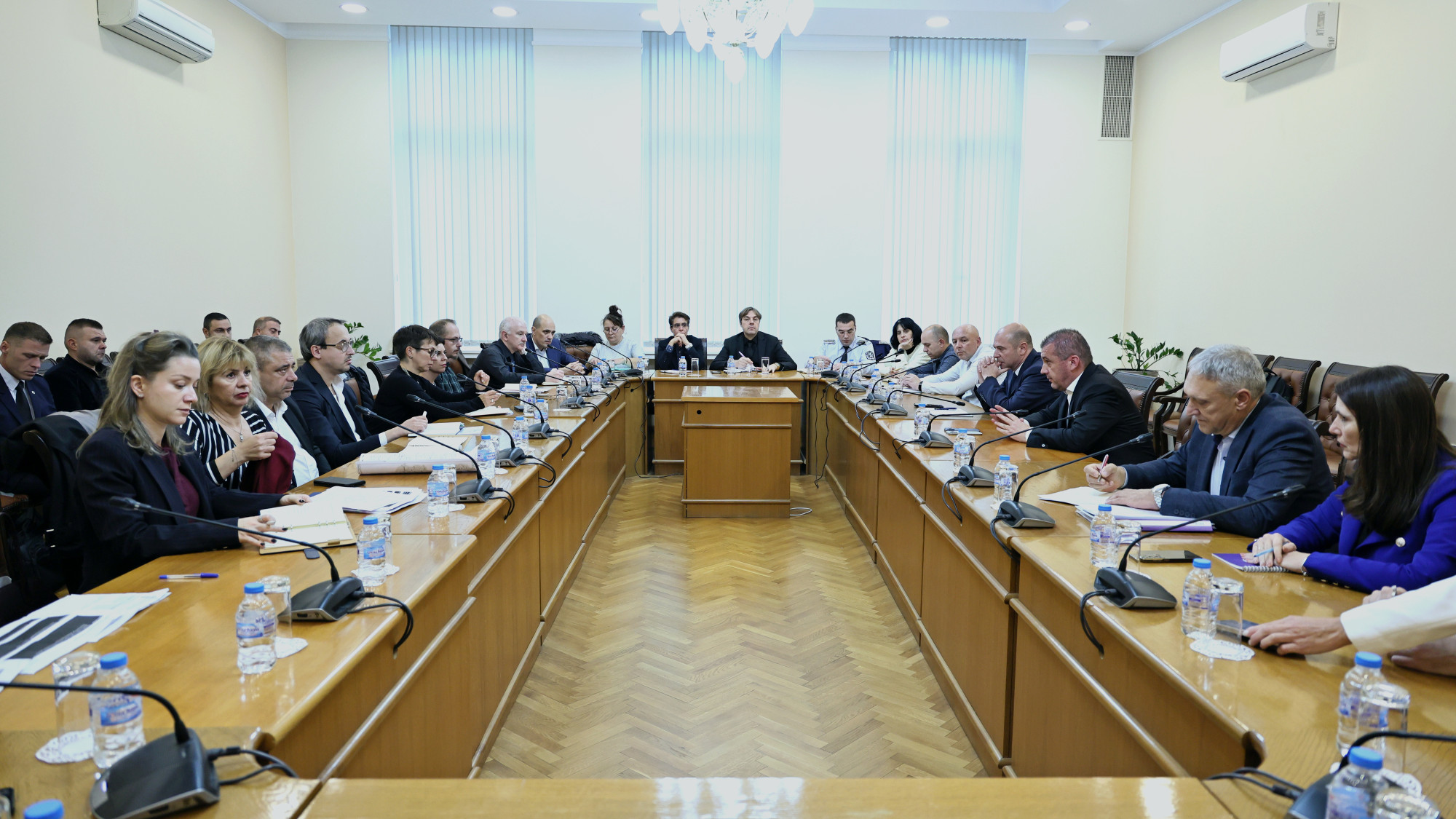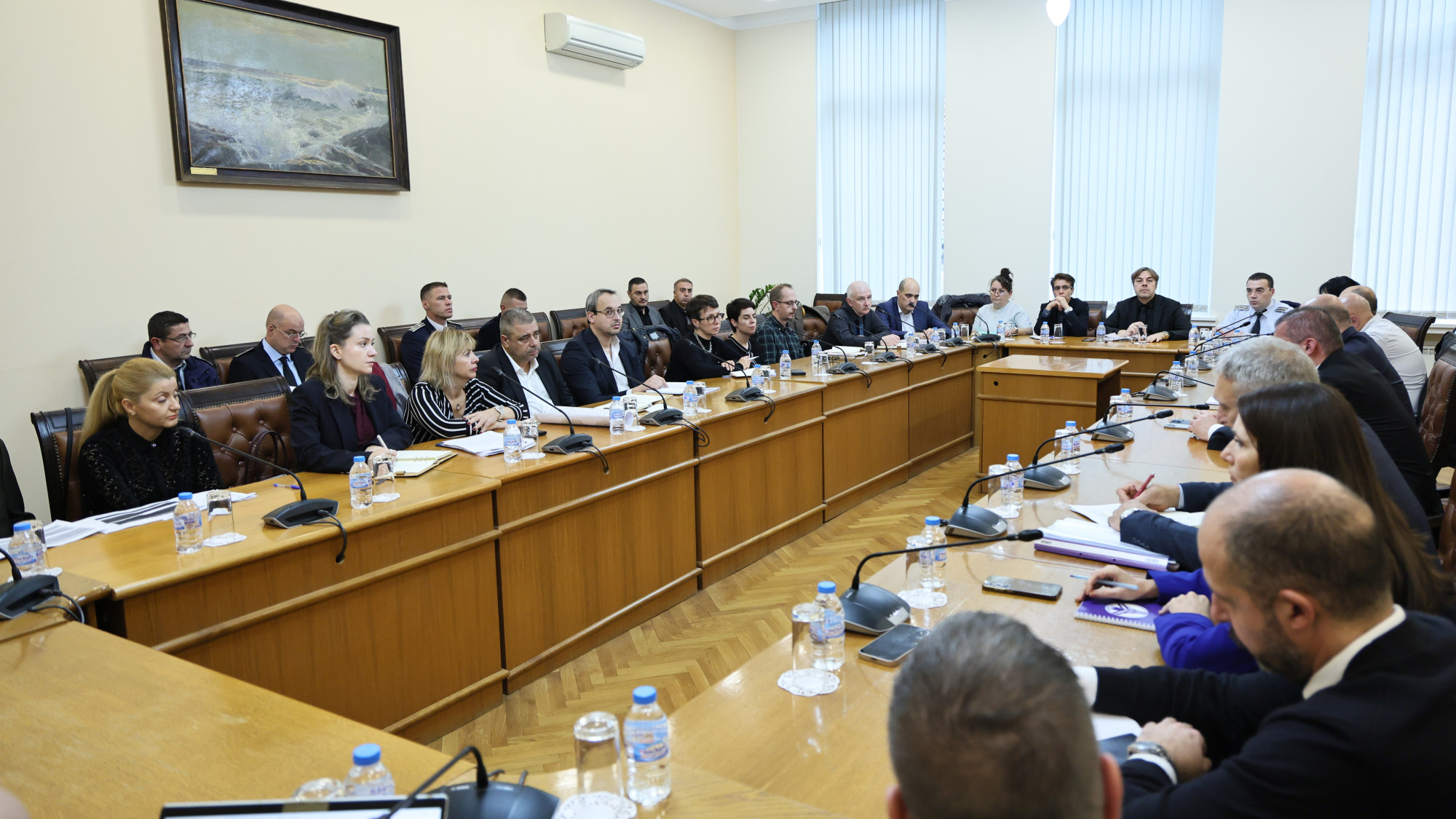

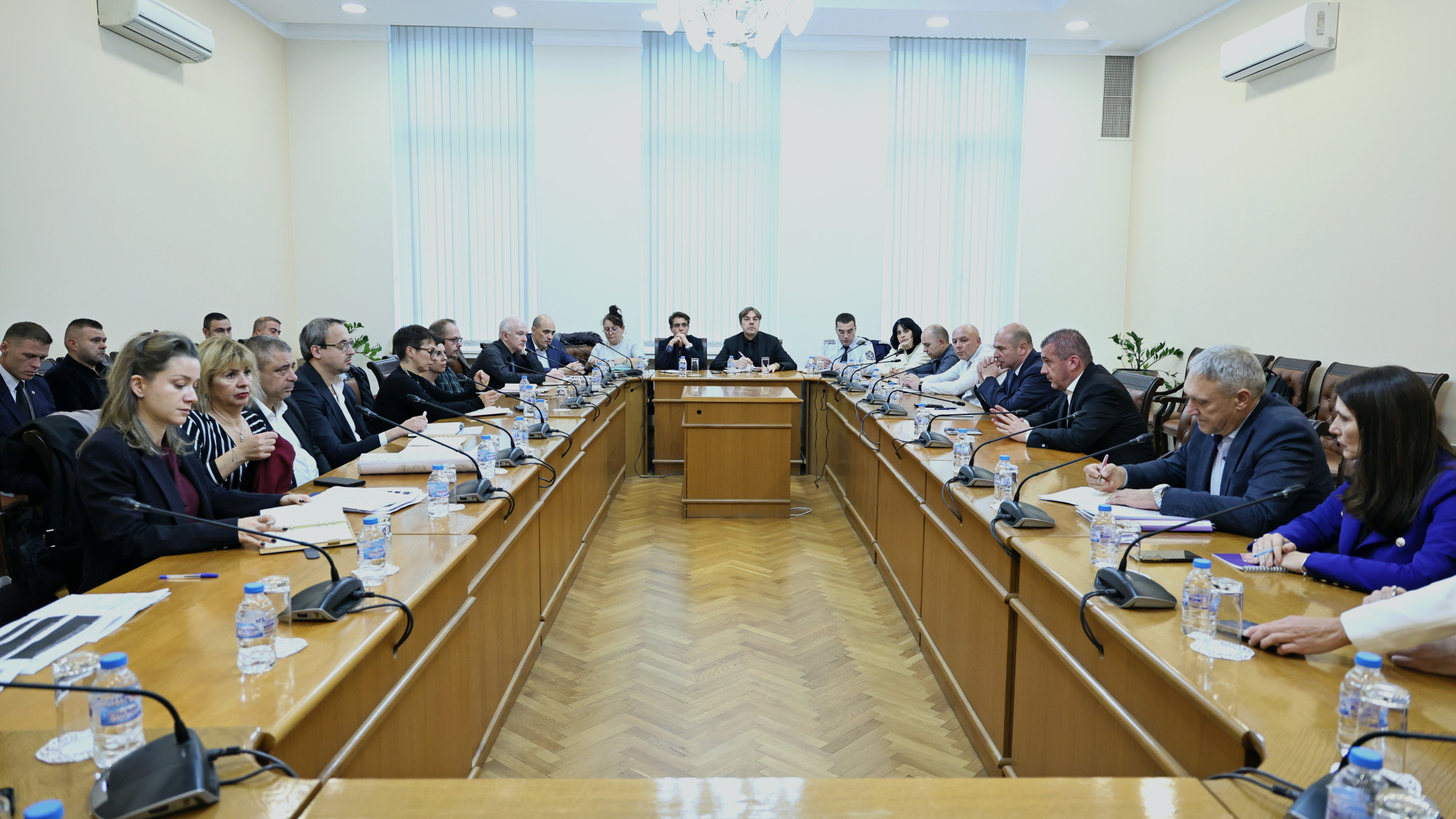
Improving the exchange of information between the Situation Centre of the Road Infrastructure Agency, the National Toll Administration and the National Road Safety Coordination Centre at the Ministry of Interior, as well as establishing action protocols, was the topic of a meeting of representatives of the Ministries of Interior, Regional Development and Public Works, Health, Justice, and Education and Science, the State Agency for Road Safety, the Financial Supervision Commission, the Customs Agency, the Road Infrastructure Agency and the National Toll Administration.
During the discussion at the Ministry of Transport and Communications, serious shortcomings were identified in the interaction so far, as well as the lack of automated mechanisms for a response before critical situations arise. Minister Georgi Peev stressed that institutions must no longer act separately or individually, but must build a working and effective process.
“The safety system has its rules. The most dangerous thing in this case is to have information and not know what to do with it. That is worse than having no information at all,” Minister Peev said during the meeting.
Within the next seven days, the heads of the duty centres of the Road Infrastructure Agency, the Ministry of Interior and the National Toll Administration will clarify what data they hold, synchronise their communication channels, assign clear responsibilities and duties, and establish action protocols. The aim is to ensure an advance and timely response in adverse weather conditions such as fog, snowfall or strong winds, or when other road traffic difficulties arise, rather than only after reports have been received on the 112 emergency number.
To achieve these objectives, the legal framework will be reviewed and orders will be drawn up to delegate more operational powers to the duty teams.
“The chain of approvals for decision-making needs to be simplified as much as possible. Duty teams must have the operational powers they need to respond in a timely manner on the ground, without unnecessary administrative procedures,” the Minister added.
Tighter control over the Regional Road Administrations and the road maintenance companies is also being considered. Within the next week, the responsible institutions are to come up with specific proposals for improved data exchange interfaces, standardised action protocols and clear institutional responsibility.