The Public Transport Act will be further developed with the contribution of municipalities, carriers and consumer organizations. Passengers remains at the center of the law. This is its philosophy and it will not change.
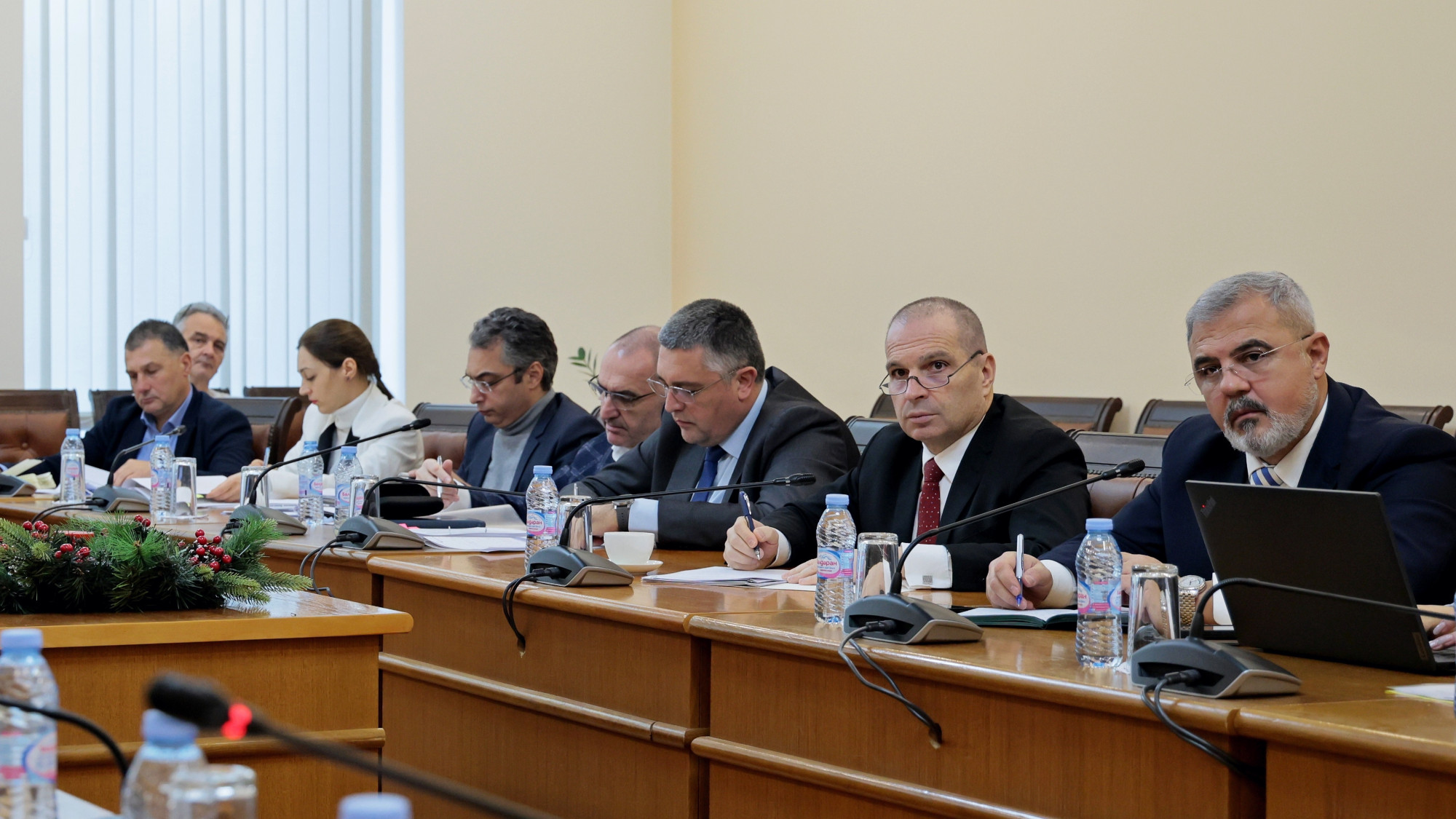
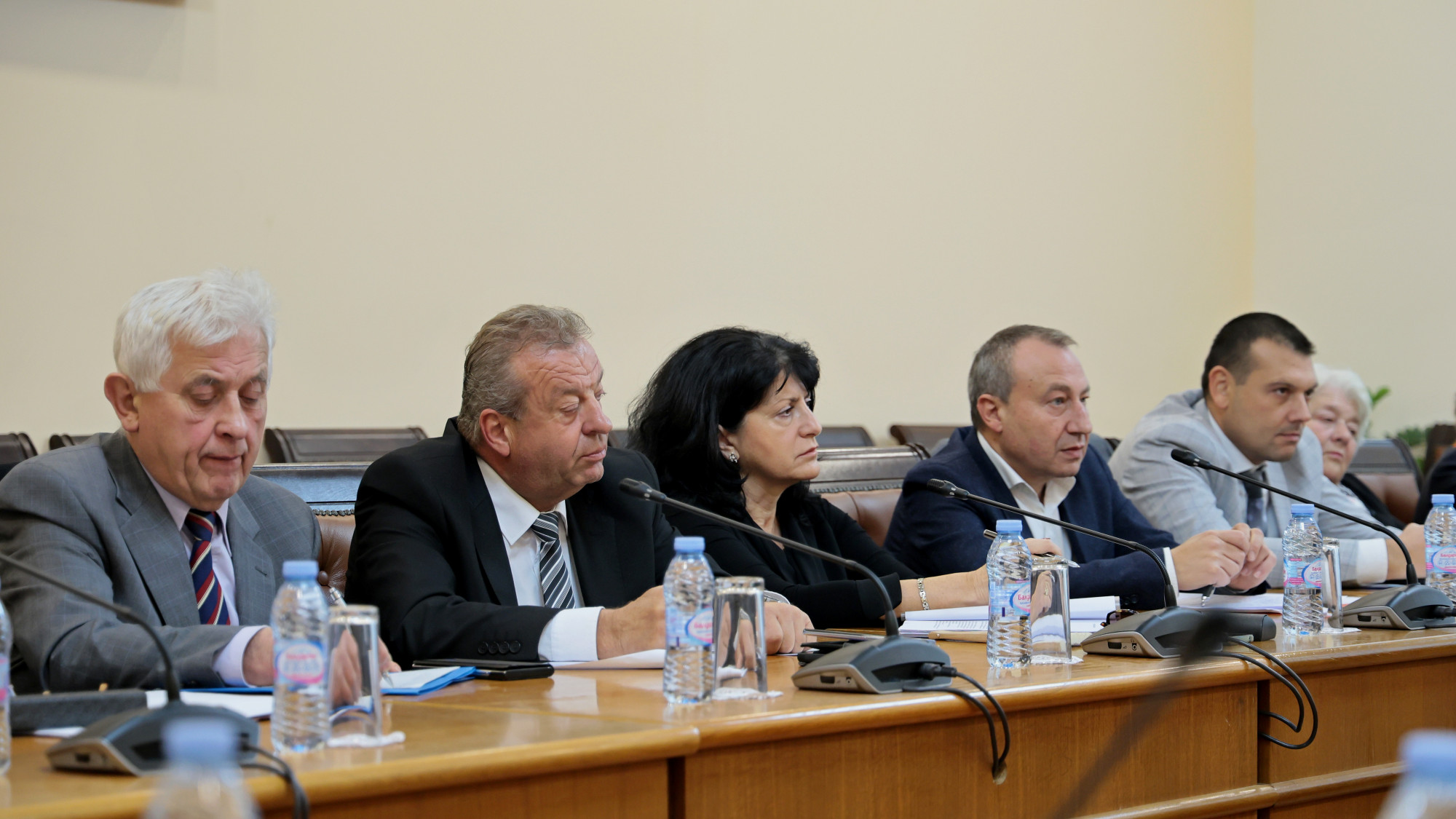
Deputy Prime Minister and Minister of Transport and Communications Grozdan Karadzhov said after a meeting with bus carriers and representatives of consumer organizations during the public discussion of the draft Public Transport Act.
Representatives of consumer organizations expressed strong support for the law, stressing that for the first time in many years, a comprehensive framework is offered that puts passengers at the center and guarantees their rights, safety and comfort. They pointed out that the draft law solves problems that have accumulated over decades, from the lack of connections between transport to the lack of clear standards for quality and protection of passengers' rights.
Bus carriers said the philosophy of the law was correct and necessary, but asked for provisions to be added on some key issues, as well as for others to be written more clearly. The Commission has proposed:
joint procurement of transport between municipalities to be possible only when they have a common geographical boundary;
the subsidy to compensate for the public transport obligation in bus transport may be granted in advance, as provided for rail, waterborne and air transport;
provision of additional clarity on the clearing mechanism for integrated shipments;
clarification of the relationship between national and municipal transport schemes, as well as the mechanism for subsidizing them.
“The text of the Public Transport Act is still only a draft. It was published to obtain the opinions and suggestions of all stakeholders – from municipalities and carriers, to institutions and consumer associations. That is why today we are extending the public discussion for another 30 days and, if necessary, more,” the Deputy Prime Minister said.
He announced the establishment of a working group, which will include experts from all interested organizations. Their task will be to refine and supplement the texts of the law, as well as to begin the preparation of the regulations ensuring its implementation.
“We will work as long as we have a good, fair and working law that satisfies all parties – carriers, municipalities, institutions, but above all – passengers,” Karadzhov emphasized.
He noted that the law is based on European legislation and the experience of the most successful countries in the EU, and for the first time introduces:
a single national transport scheme for all modes of transport;
a single electronic ticket and a mobile “wallet”;
coordinated timetables between trains and buses;
new standards for quality, safety, ecology and accessibility;
transportation on request for remote settlements;
a single intelligent system and a national data access point.
The Deputy Prime Minister emphasized that the state, municipalities and carriers are building the system together, but it exists because of the citizens: “The country's circulatory system must pulse as a whole and reach the farthest corner of our country. Our task is to provide a quality service where it is completely absent today. Passengers is at the heart of the law, and we all – institutions, municipalities and carriers – are instruments through which their rights and convenience will be guaranteed. ”
During the meeting it was recalled that:
738 settlements in Bulgaria are completely without transport services;
601 settlements have insufficient, formal (only on paper) or inefficient transport services;
only 61 settlements have adequate public transport.
“This law radically changes the way the system will work. It links the transport services with real meters – kilometers, passenger flow, settlements. The aim is simple: to provide everyone with predictable, affordable and modern transport, as in developed European countries,” Karadzhov said.
The Ministry of Transport and Communications will continue to hold meetings with branch organizations, the National Association of Municipalities in the Republic of Bulgaria, expert units and civil society organizations.
“Only through dialogue and joint work can we finalize the law so that in the end we have a document that works for everyone – for the carriers, municipalities, and the state, but especially for the passengers,” Deputy Prime Minister Karadzhov emphasized.