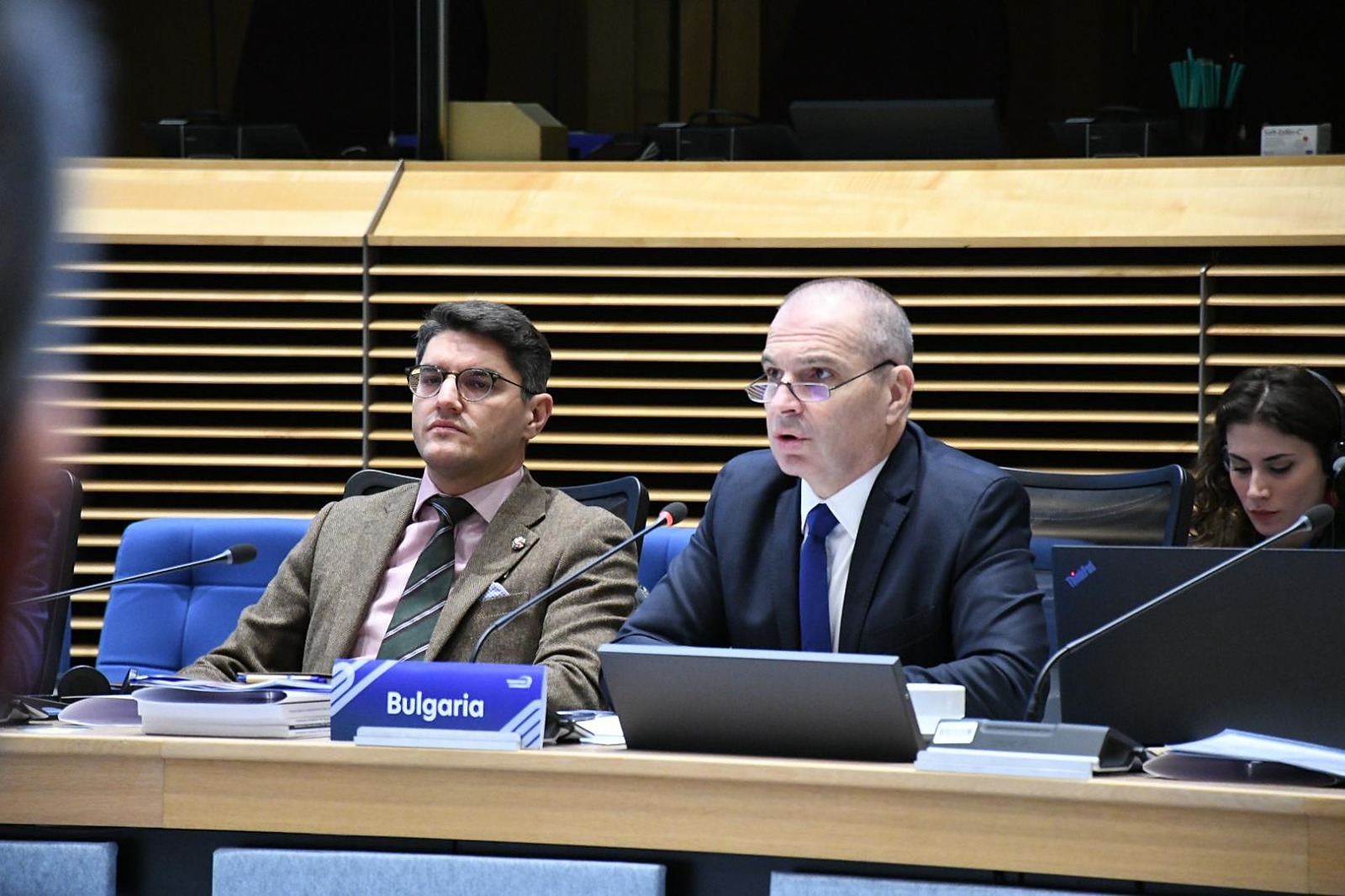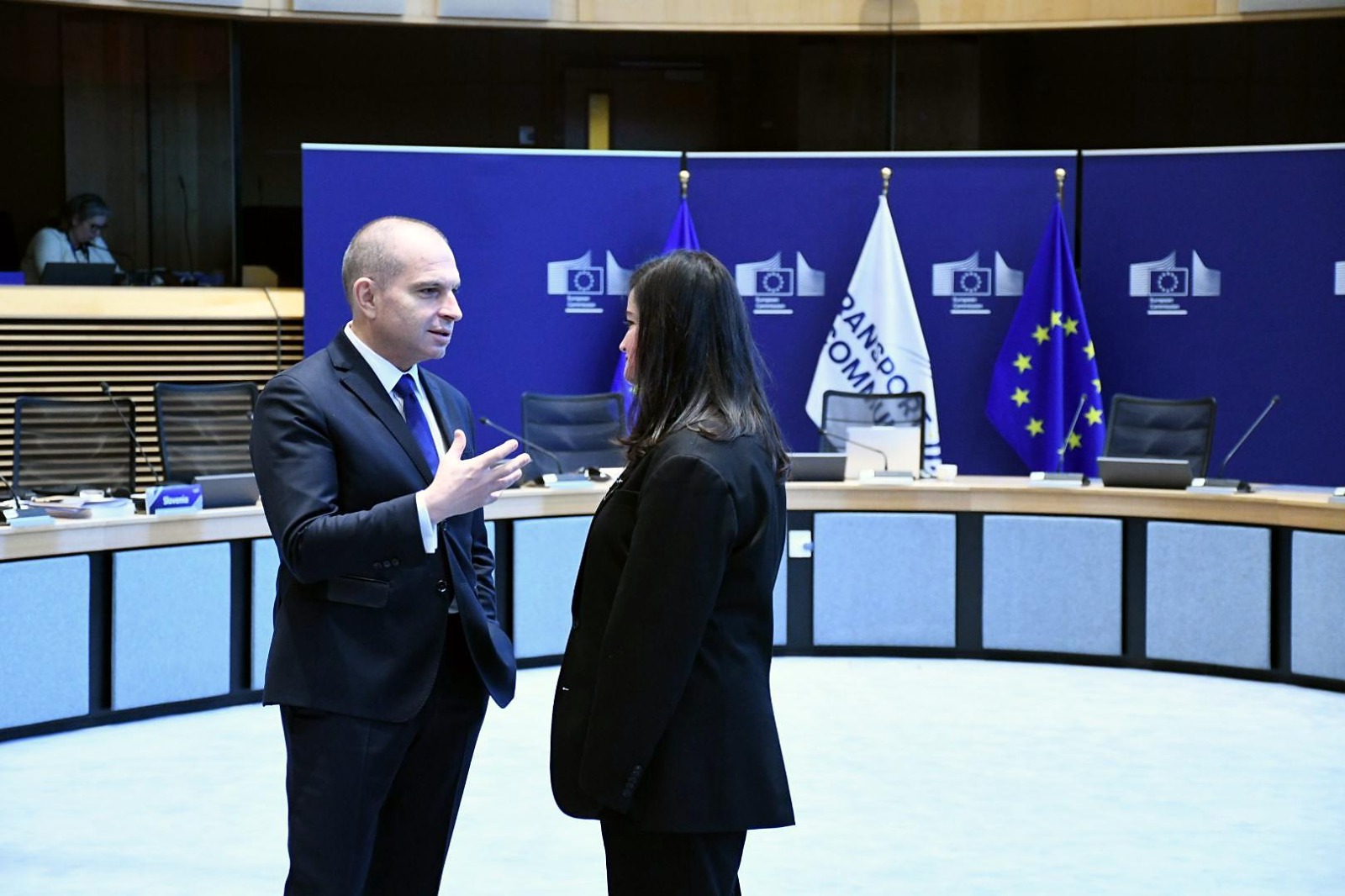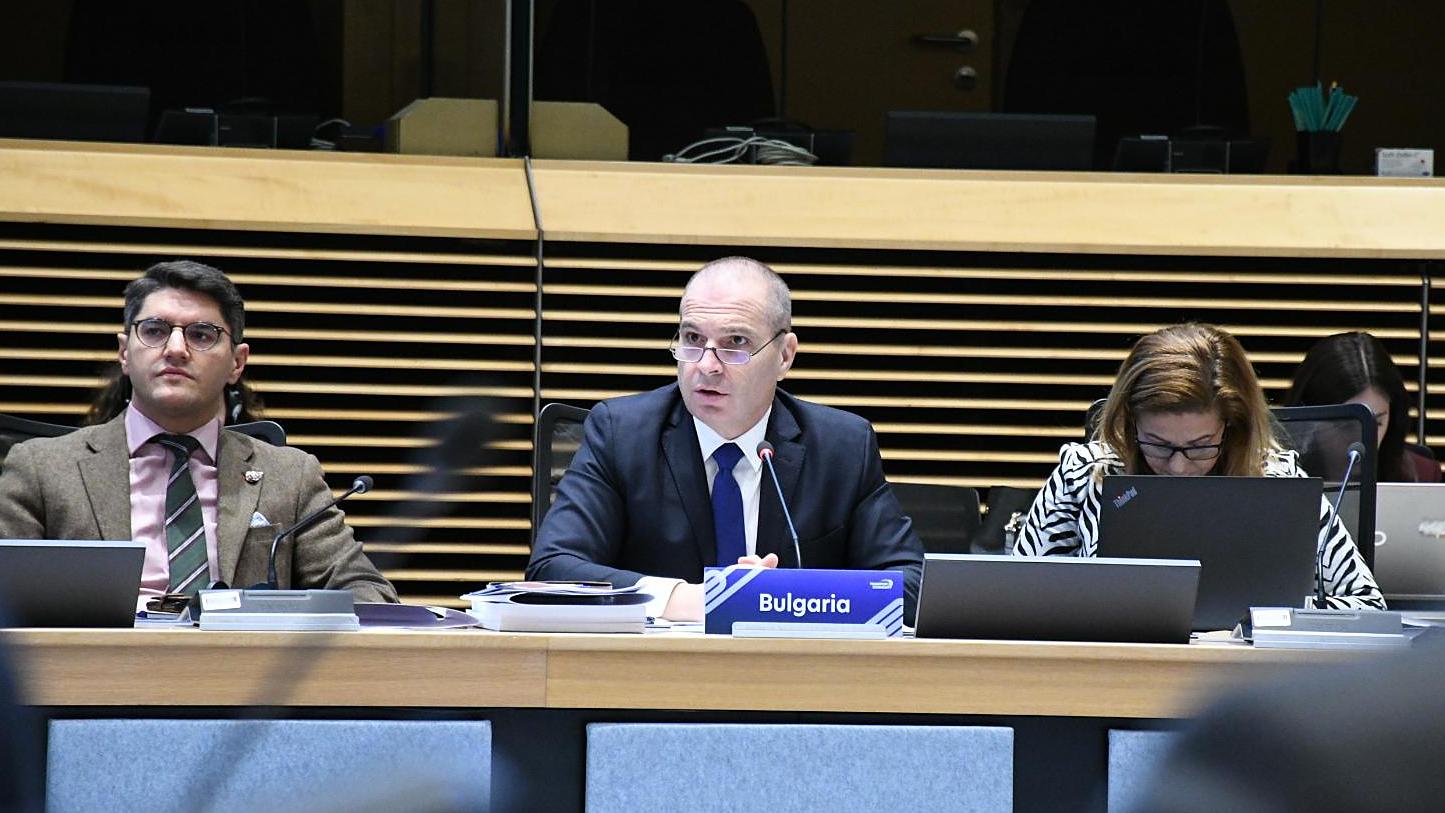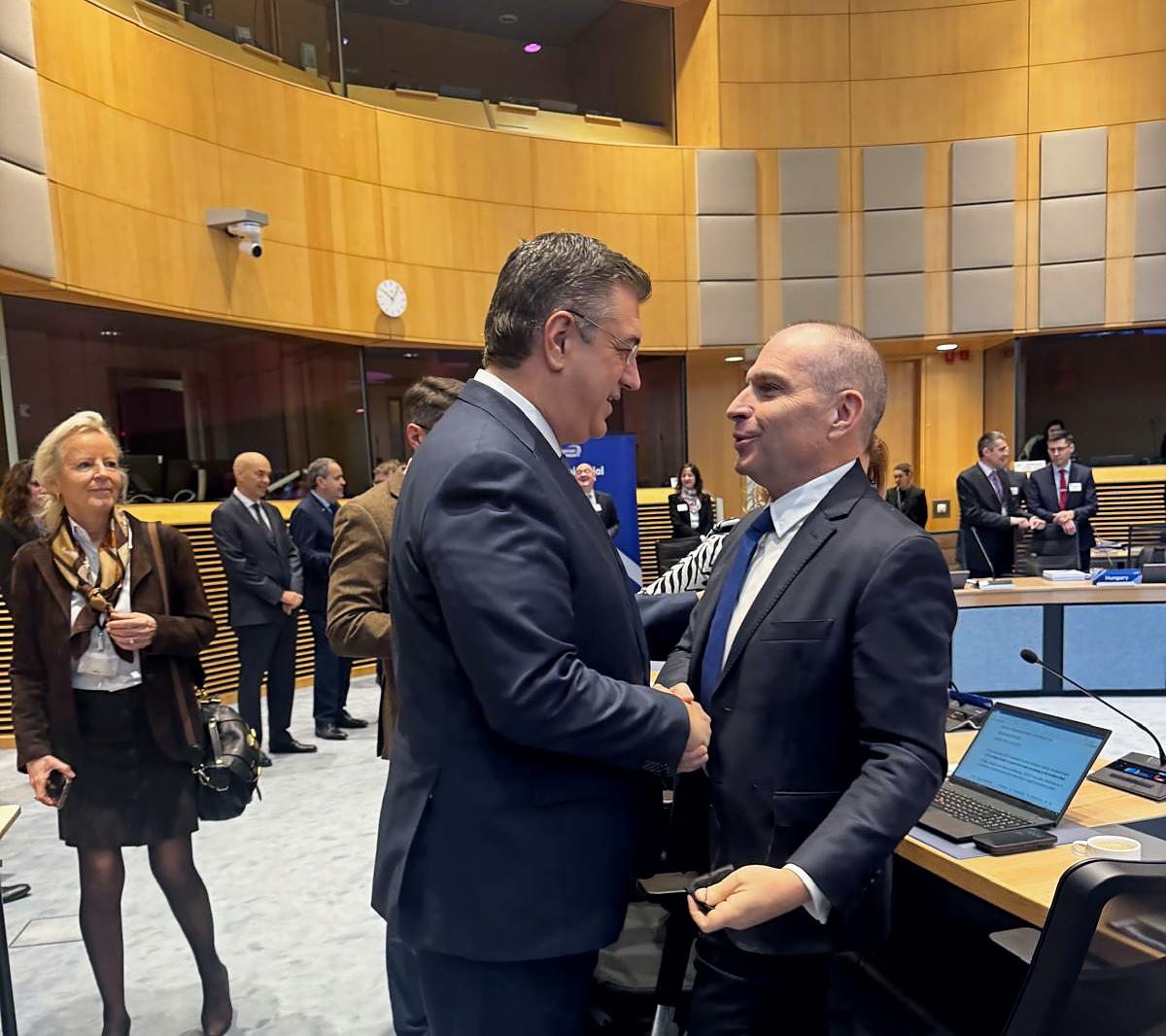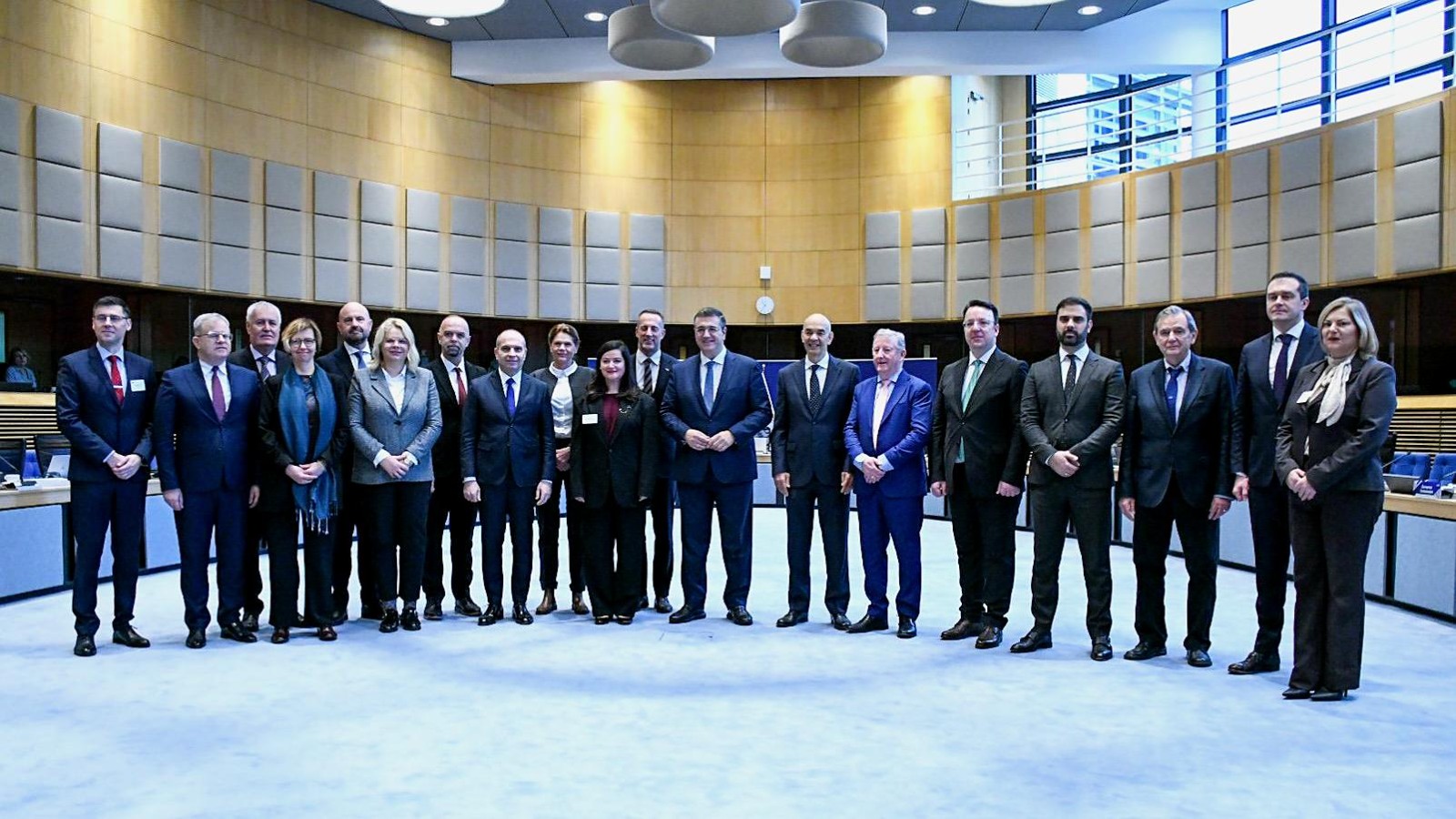
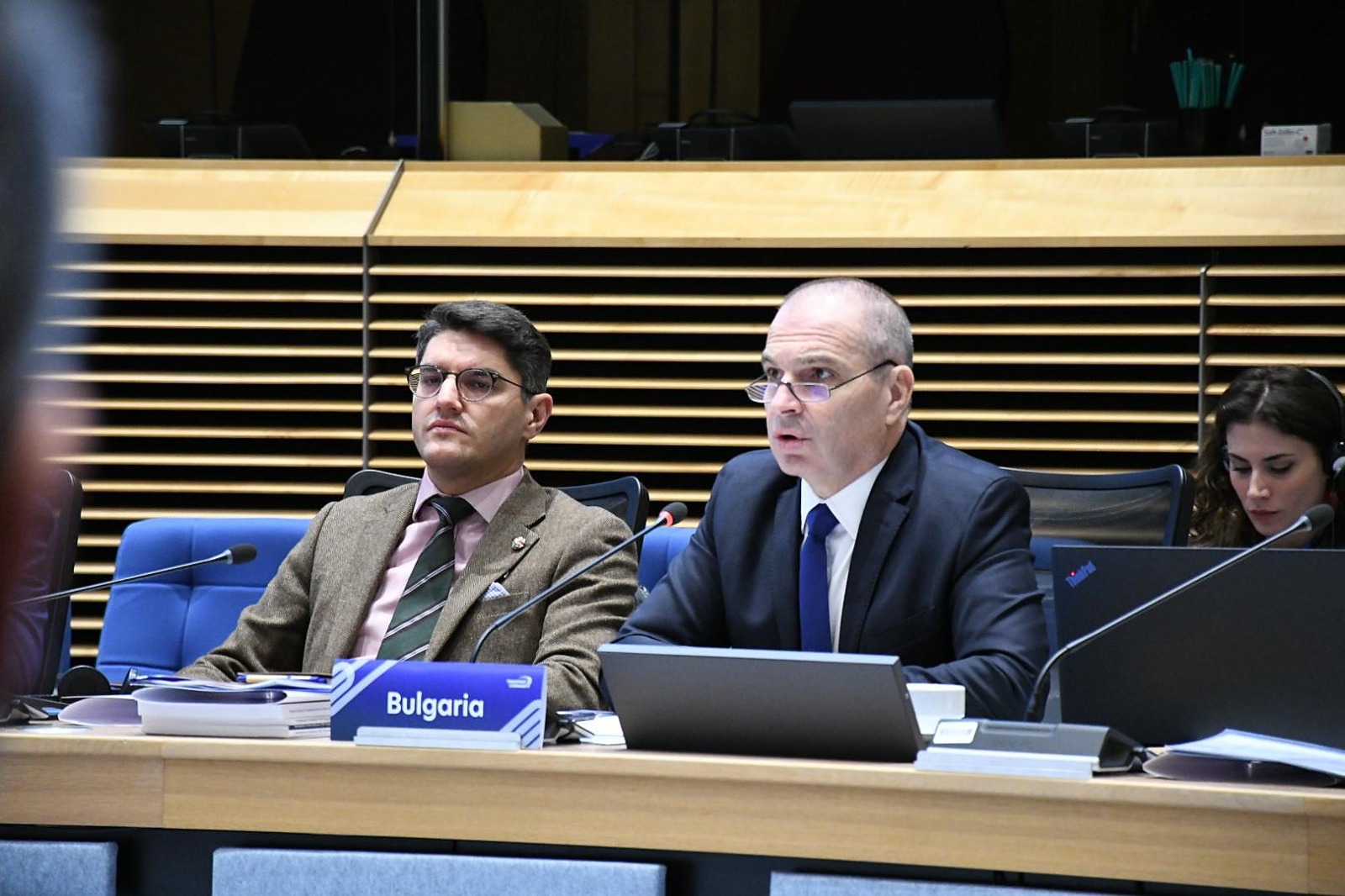
Through the consistent efforts of Bulgaria, the Sofia-Skopje railway line has now been included for financing in the Connecting Europe Facility 2028-2034. This is a guarantee for the full completion of the strategic Corridor 8 on Bulgarian territory, stated Deputy Prime Minister and Minister of Transport and Communications Grozdan Karadzhov at a meeting of the Transport Community Council held today in Brussels. The forum was attended by the European Commissioner for Sustainable Transport and Tourism Apostolos Tzitzikostas, ministers from the European Union and the Western Balkans, representatives of the EC, and others.
Projects under the TEN-T network must prioritize increasing capacity along north-south corridors, which can become engines of growth, sustainability, and energy security. The Deputy Prime Minister called for stronger connectivity with the Black Sea, which will open new logistical models, support solidarity lanes, and integrate the region into global trade flows.
"The fundamental question facing us today is not just which projects we choose to implement or how much funding to mobilize. We must replace independent national efforts with coordinated European actions," Grozdan Karadzhov was categorical.
"Despite our shared ambitions, TEN-T too often functions as a collection of national projects rather than a single European system. Our task is not only to build infrastructure but a system that functions as a unified network," added the Deputy Prime Minister.
He emphasized the necessity of synchronized deadlines for all cross-border projects. "Progress on one side of the border must not be hindered by stagnation on the other," he explained.
According to him, interoperability cannot depend on bilateral negotiations or temporary exemptions. It must apply to every part of every TEN-T corridor — from its starting to its ending point. "We also need fast, predictable, and coordinated permitting procedures. If procedures take longer than construction, we lose competitiveness long before the project is completed," Grozdan Karadzhov further emphasized.