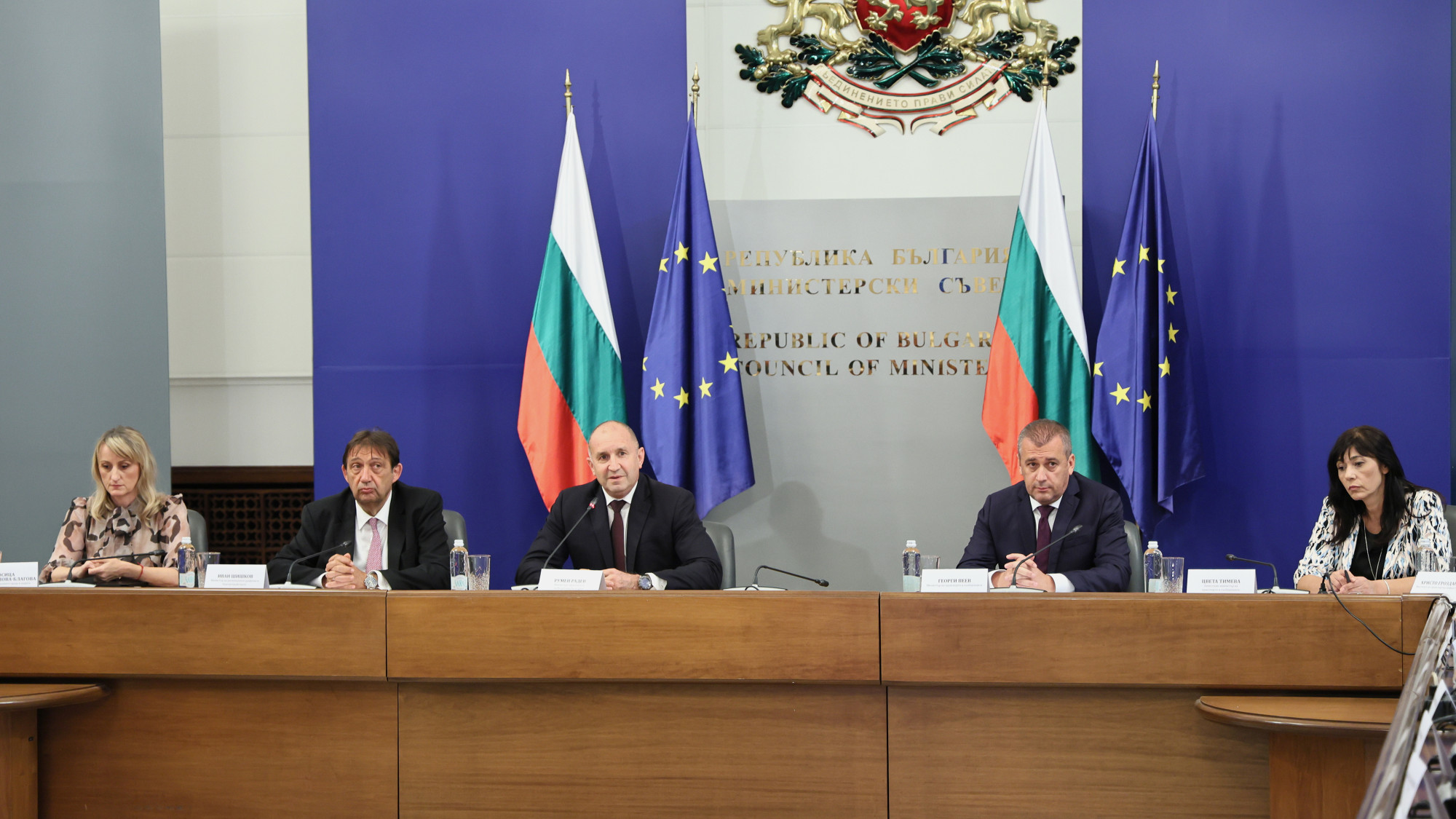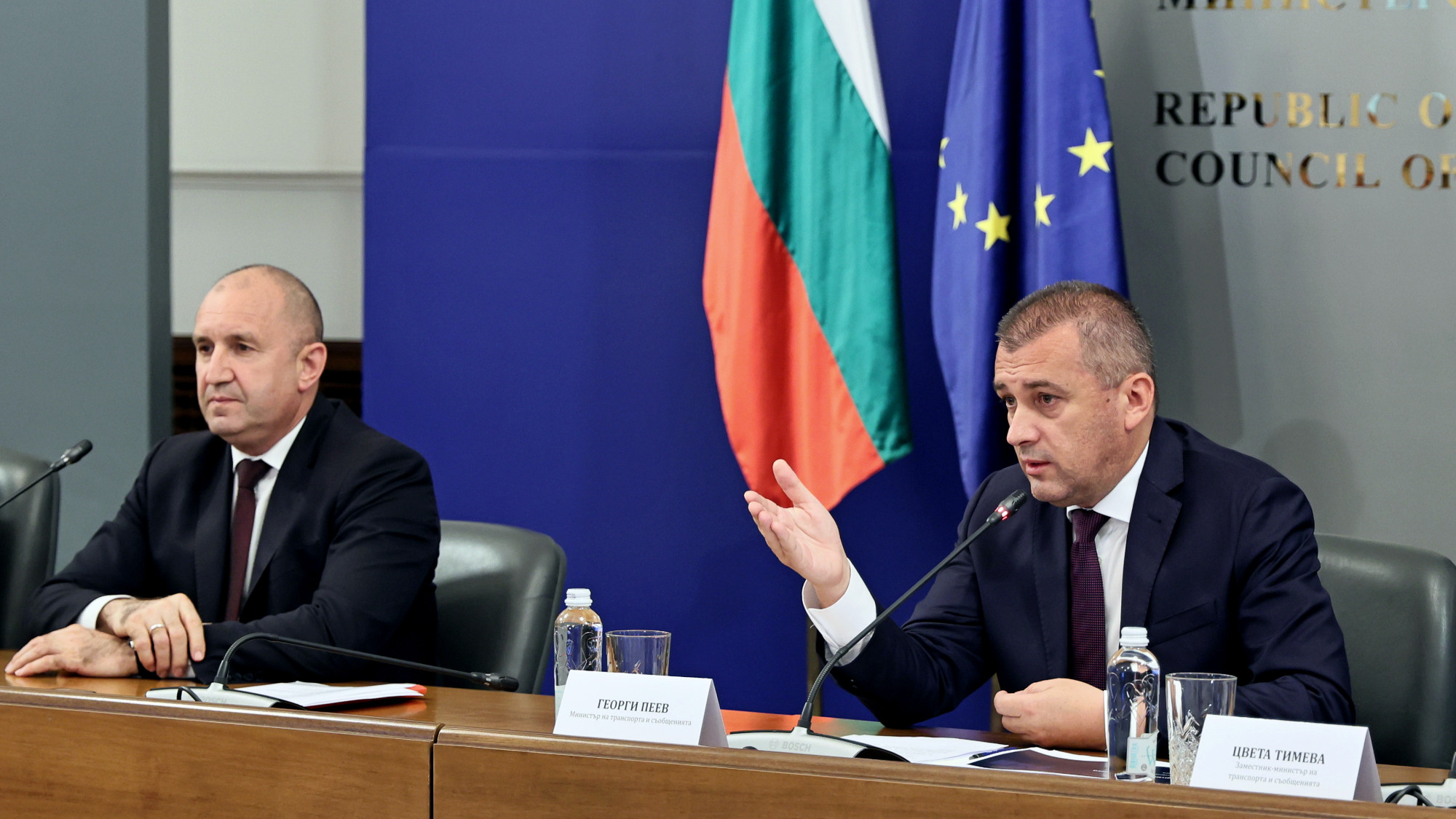
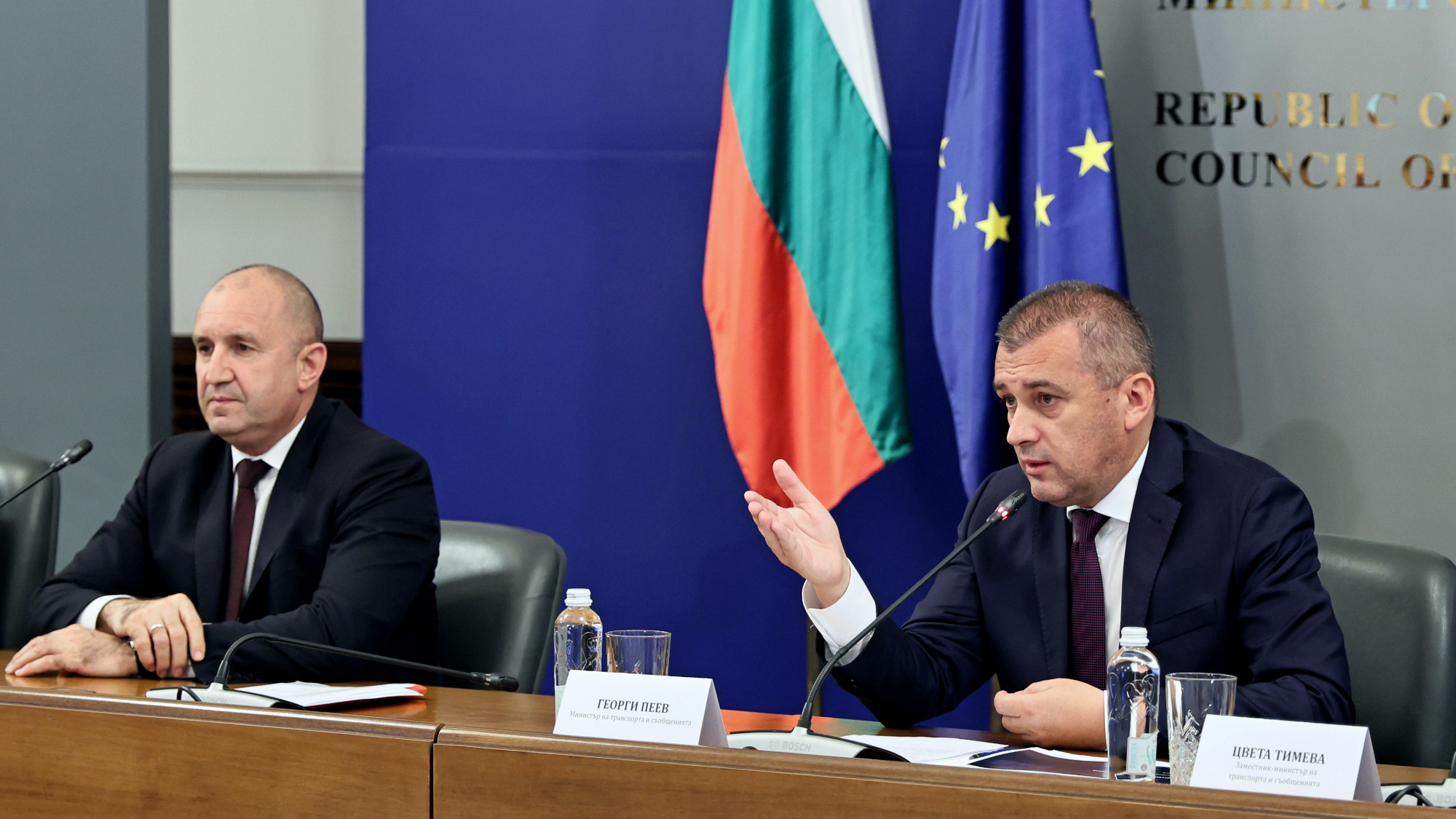
Through a unified project-management process, the “Vertical Connectivity” concept, and public-private partnerships, the state is laying the foundation for economic growth and a stronger regional position. Today, at the Council of Ministers, Prime Minister Rumen Radev, Minister of Transport and Communications Georgi Peev, Minister of Regional Development and Public Works Ivan Shishkov, and Minister of Environment and Water Rositsa Karamfilova presented the new National Investment Portfolio to industry organizations, businesses, and financial institutions in the country. It officially brings to an end the era of administrative fragmentation.
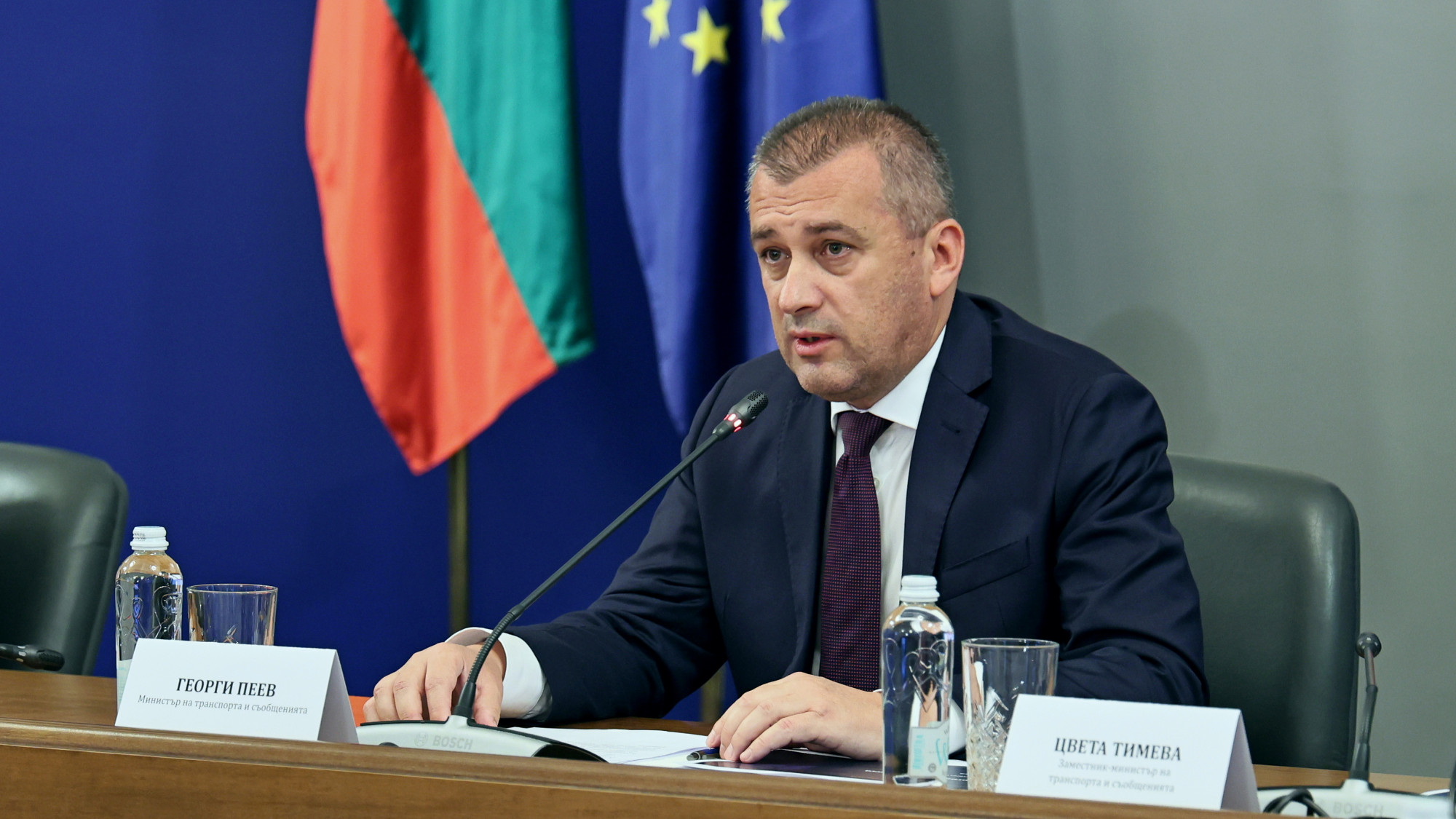
The initiative marks a shift from the previous departmental lists of ideas to coordinated management of strategic facilities. The state is opening its doors to business as a genuine partner from day one. “The goal is to guarantee predictability and real results,” emphasized Minister Georgi Peev.
Every project will now be evaluated on the basis of strict economic logic and a real degree of readiness. “Our goal is perfectly clear: once we stop working piecemeal, we will turn wish lists into real facilities. Under this new approach, business enters the process from the very beginning, because it possesses the expertise needed for financial and operational sustainability. This is our new state standard,” commented Georgi Peev.
He added that our country is positioned at the center of three trans-European corridors: the Baltic Sea – Black Sea – Aegean Sea, the Western Balkans – Eastern Mediterranean, and the Rhine – Danube. This network is also being viewed through the lens of military mobility. Building dual-use infrastructure increases security and unlocks European funding.
According to the Transport Minister, the analysis reveals a serious lag along the Danube River, which has so far held back the economy. The number of bridges shows a clear deficit: Germany has 34 bridges (on average one every 5 km), Austria has 33, Hungary has 17, Serbia has 15, and Romania has 7. Against this backdrop, the Bulgarian stretch of 300 km has only 2 bridges. This should be an absolute priority.
For the first time, the state is transparently presenting the real state of its mega-projects. The figures show the following:
Of the total 1,875 km of road network along the European corridors, only 340 km (18%) are currently under construction or being repaired. For more than 1,250 km, environmental assessments are still lacking.
Of the total 2,056 km of railway network, only 31% is being modernized.
The portfolio also includes 9 port, airport, and intermodal facilities, 5 of which already have concession analyses in place.
“European funding is not sufficient to implement all the necessary investments, which is why other options must also be considered, including public-private partnerships and concession mechanisms,” said Georgi Peev. In developing the new projects, a balance will be sought between state and private interests. The main goal is efficient management and proper maintenance of the facilities. Public-private partnerships and concessions will be applied to initiatives with high revenue potential, where businesses can manage risk and resources more effectively.
To break the administrative vicious circle, the government is making a radical change to legislation. The slow, step-by-step approval process is being eliminated. Procedures will now run in parallel through a new digital coordination platform.
“With this strategy, Bulgaria is moving from words to real action. This is how we will affirm our place as a predictable, stable, and connected leader in the region,” Minister Georgi Peev added.