In 2027, the railway line on the Danube Bridge near Ruse will go electric, which will cut transport costs by almost 30%.
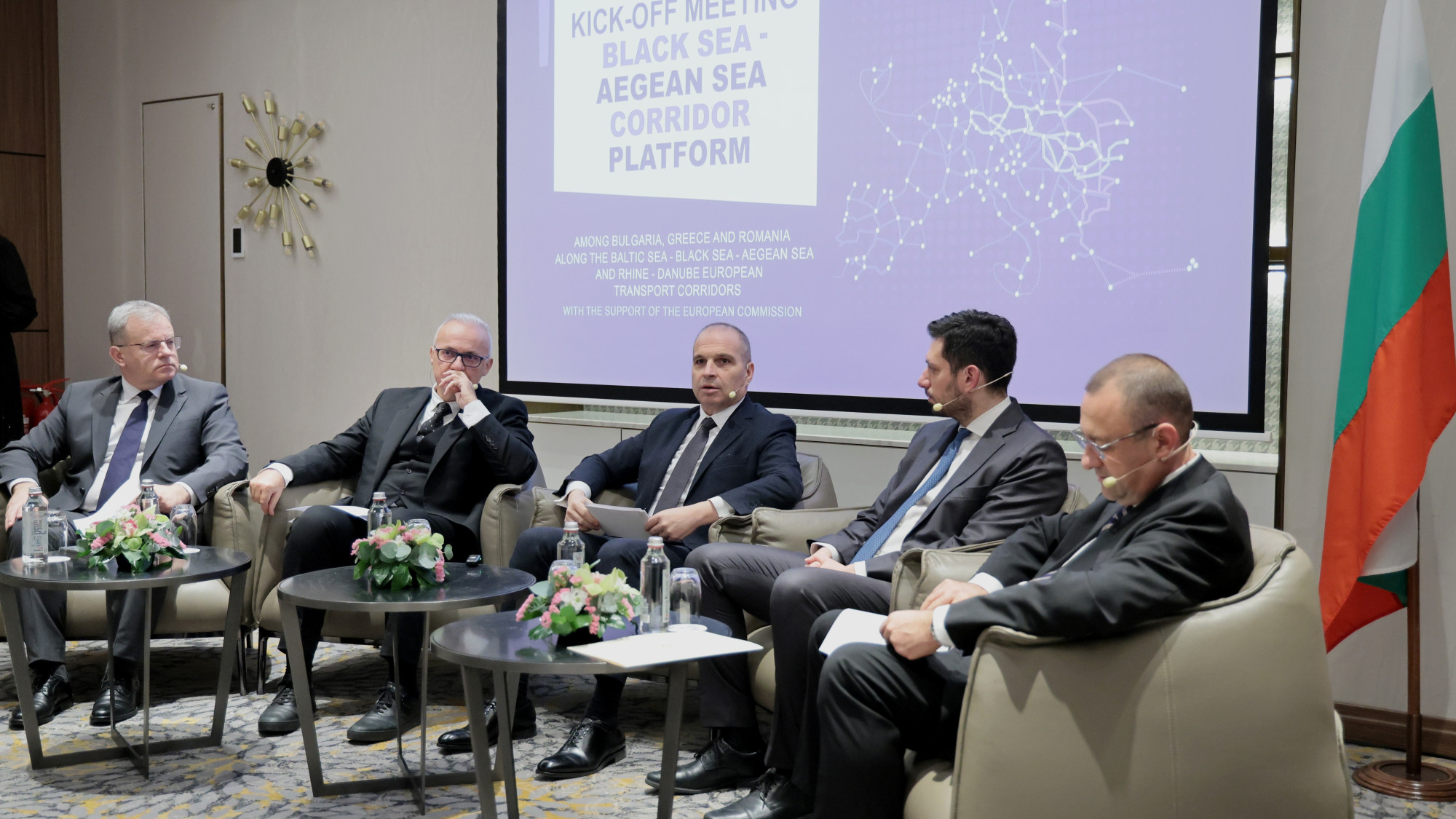
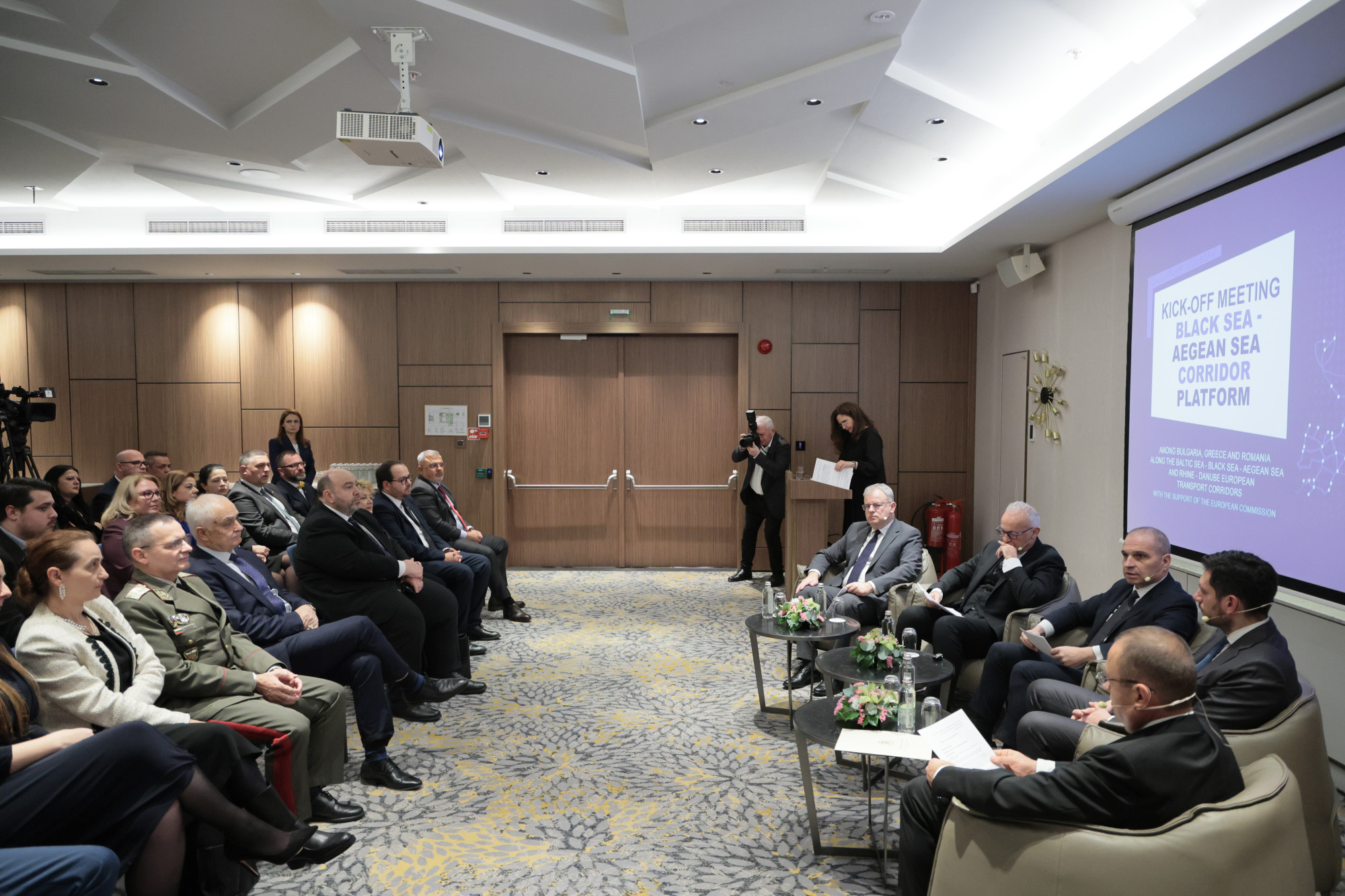
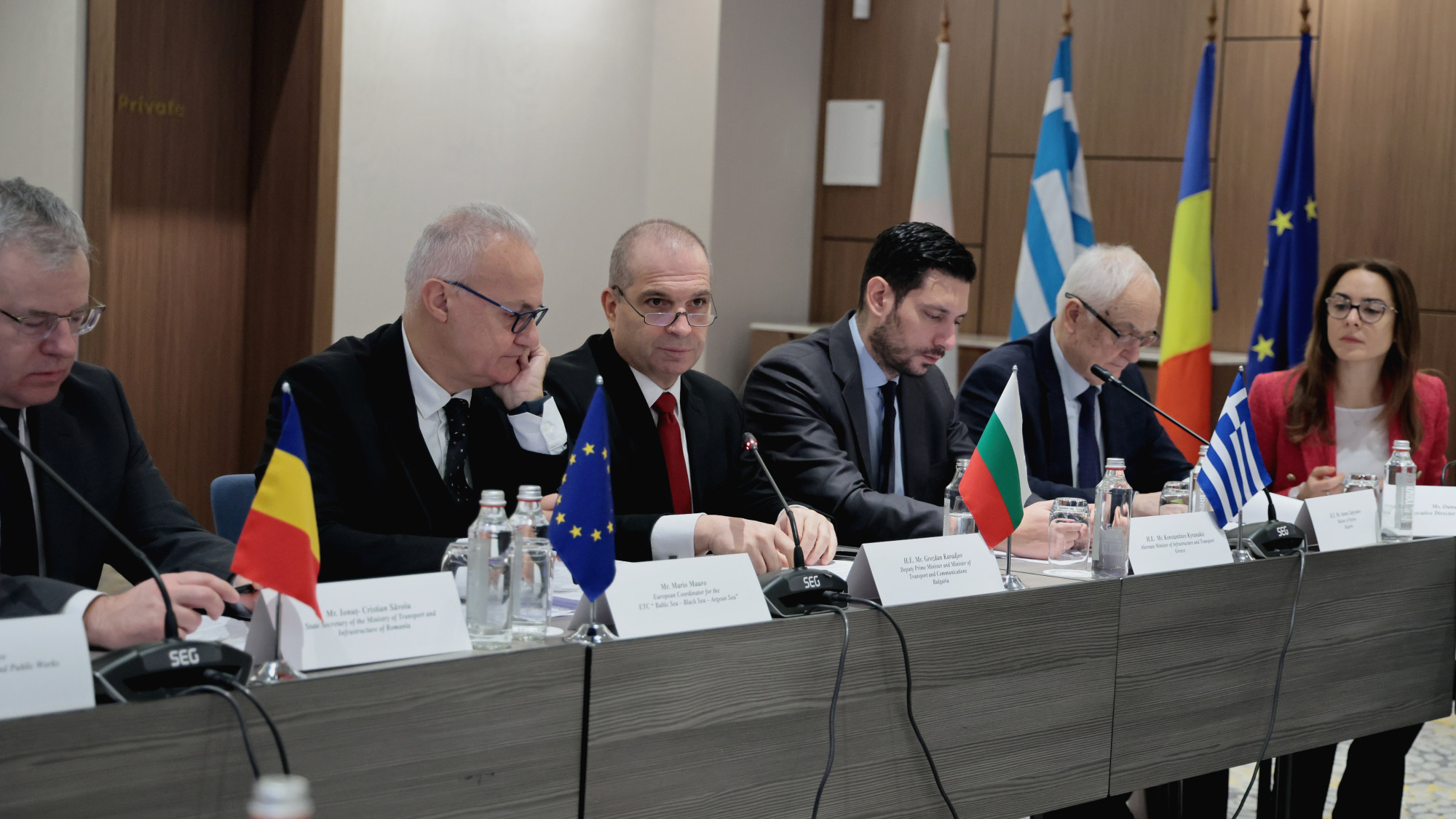
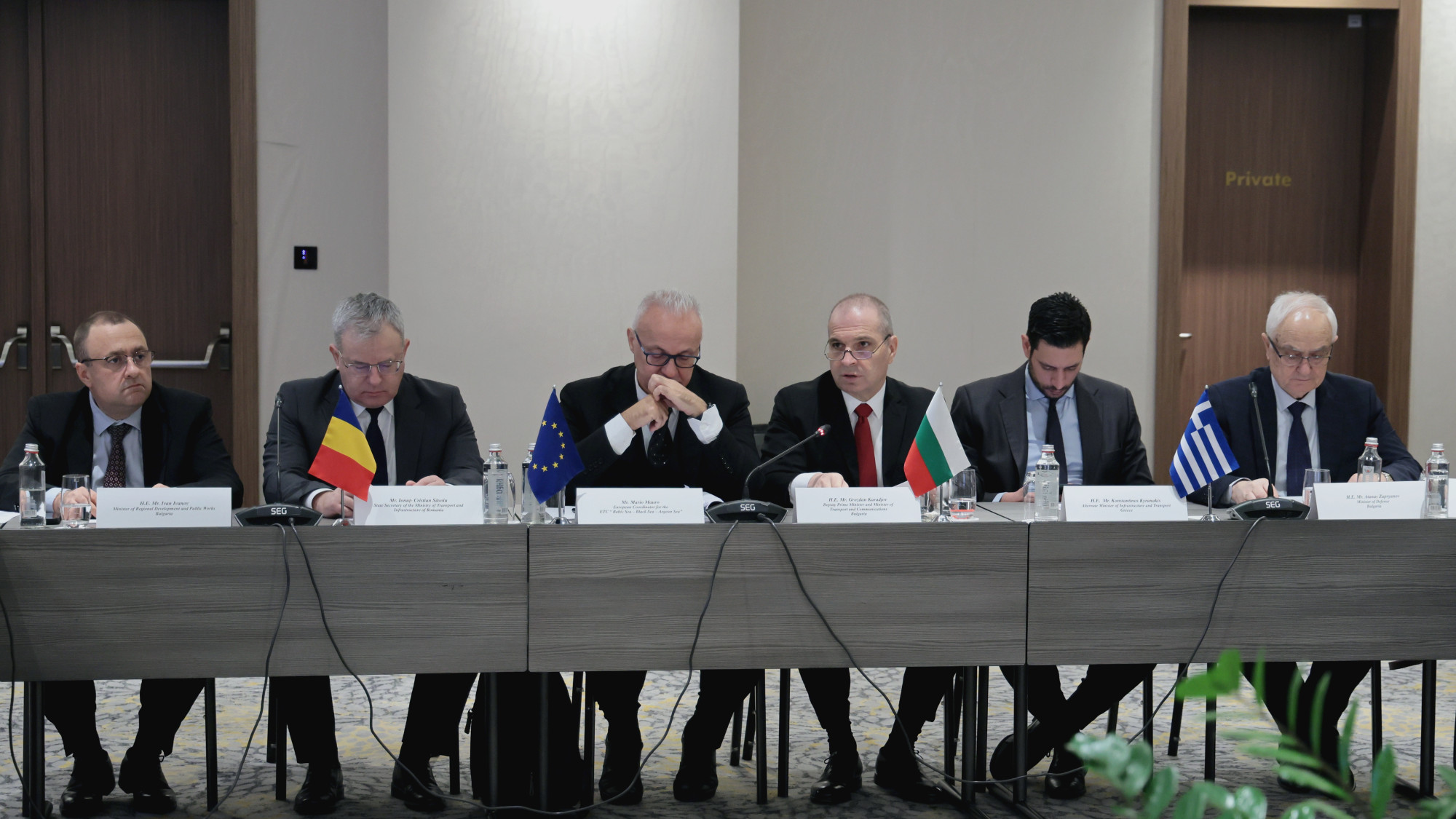
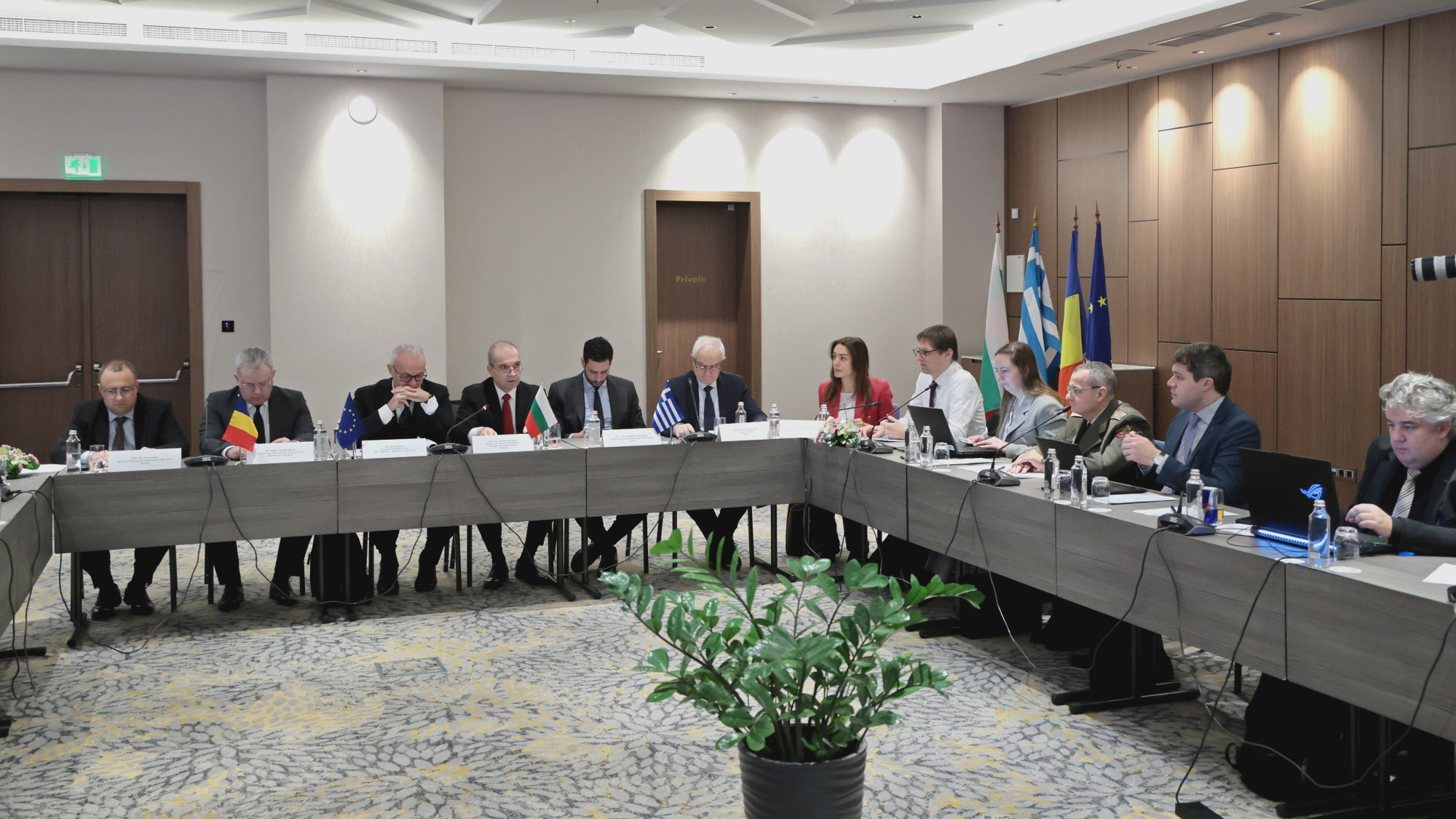
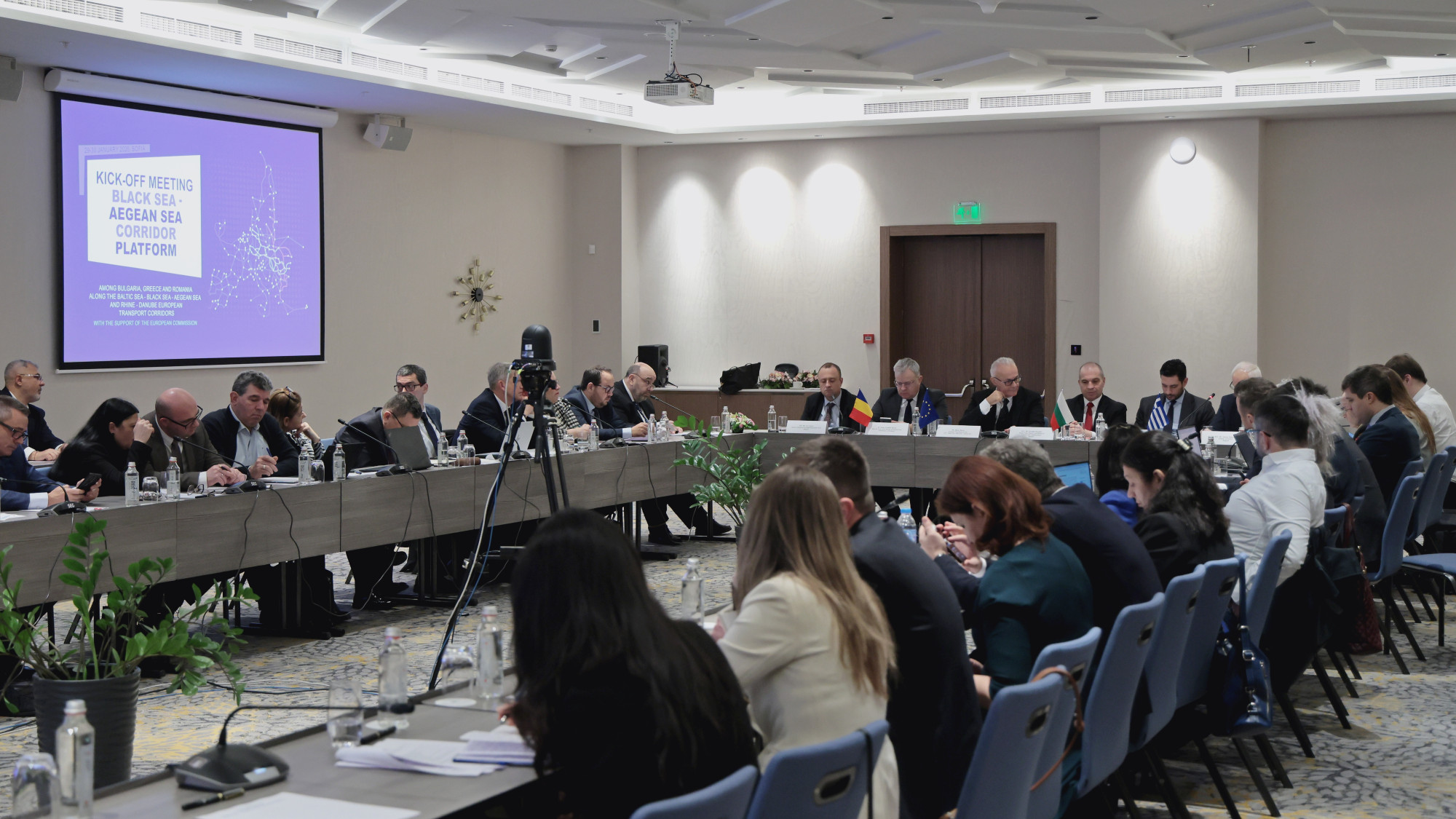
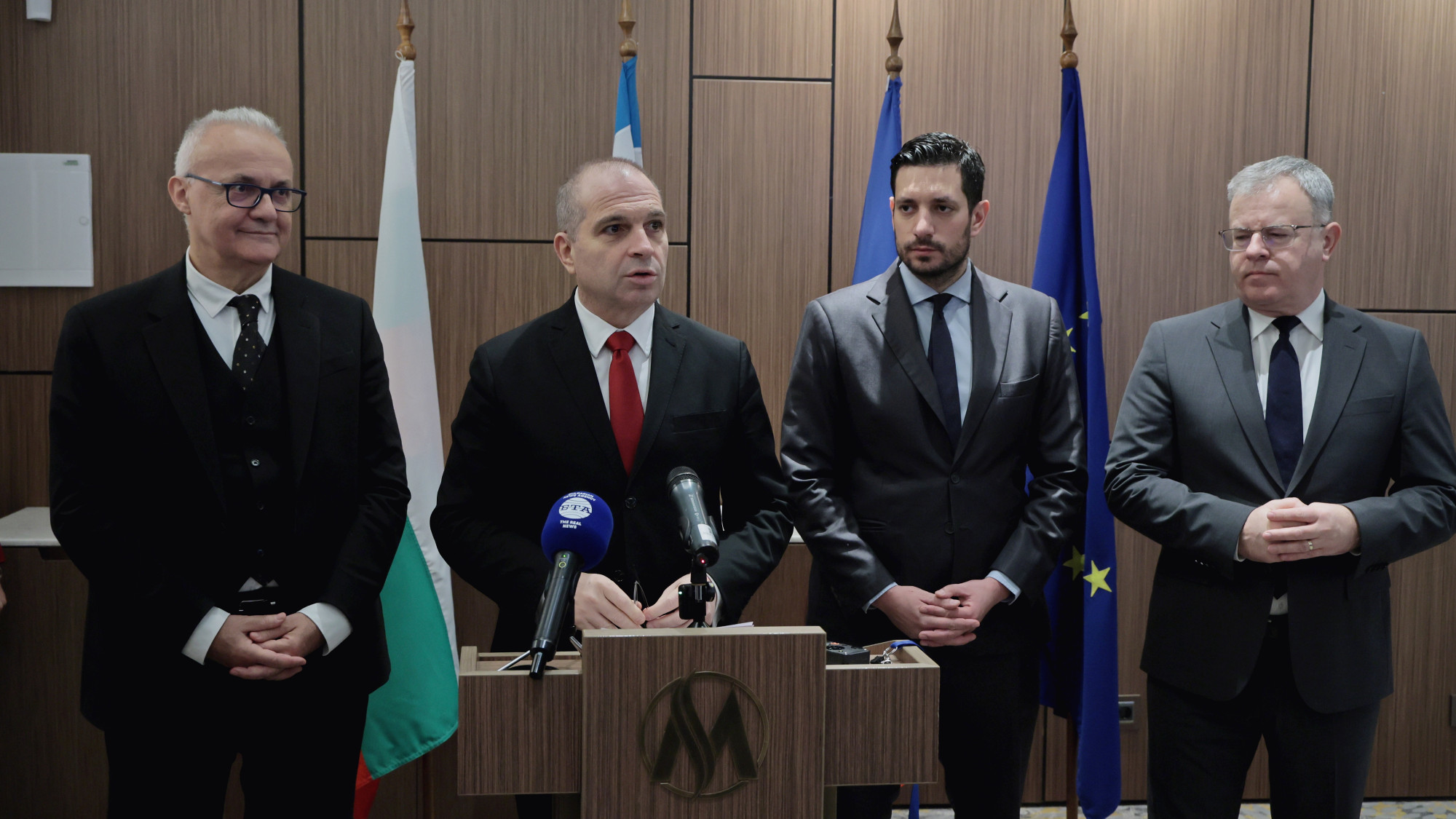
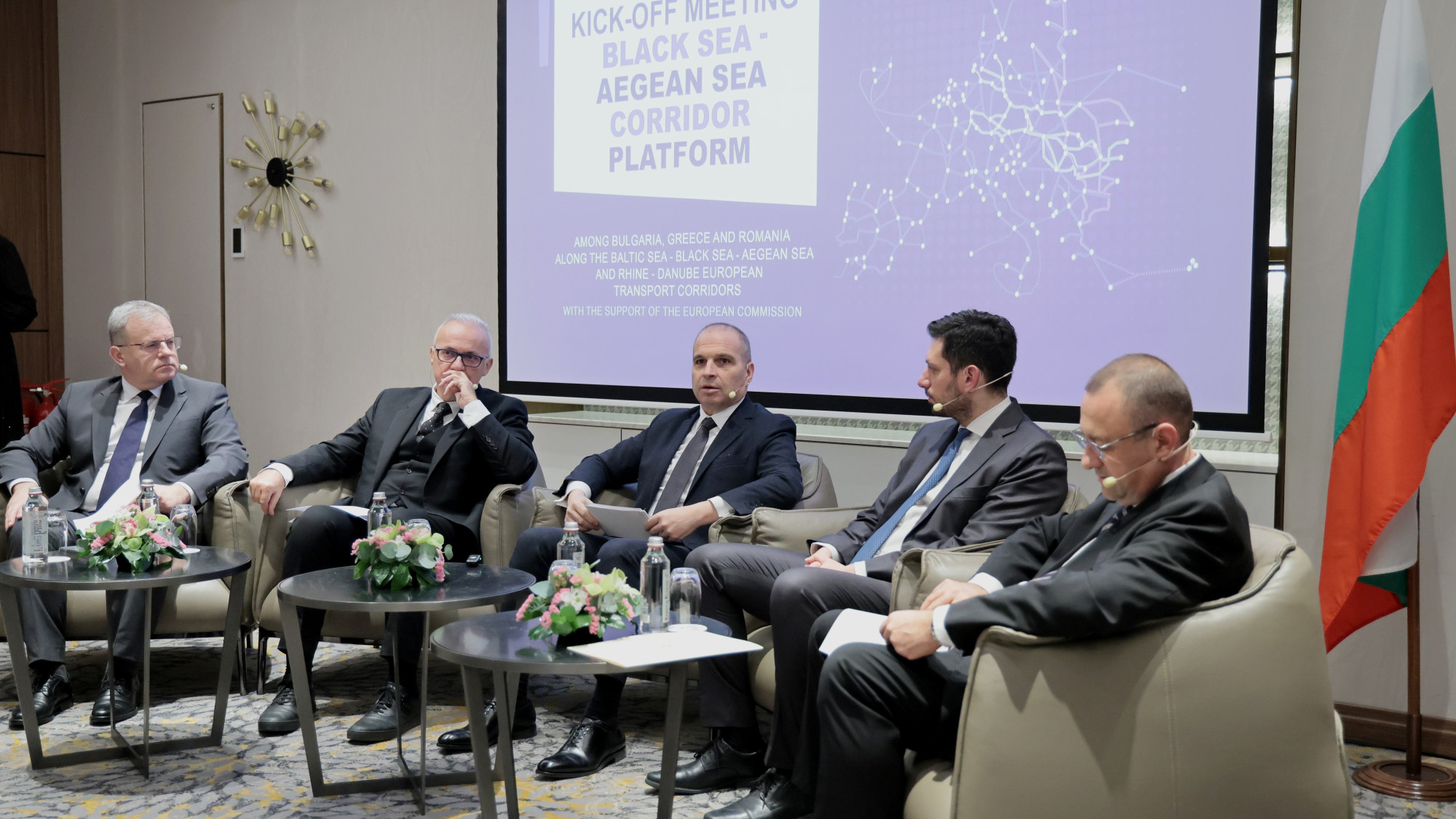
Bulgaria, Greece, and Romania will request funding for a joint project to modernise the Thessaloniki-Sofia-Bucharest railway line.. The idea behind this partnership is simple: to plan, design, issue permits, and build in sync so that the North-South corridor can quickly become operational without interruptions, delays, or bureaucratic excuses. This was stated by Deputy Prime Minister and Minister of Transport and Communications Grozdan Karadzhov, who hosted the first working meeting between Bulgaria, Greece, Romania, and the European Commission on the Black Sea-Aegean Sea corridor. Participants included Greece's Deputy Minister of Infrastructure and Transport Konstantinos Kiranakis, Romania's State Secretary for Infrastructure and Transport Ionut Cristian Savoiu, Coordinator of the Baltic Sea-Black Sea-Aegean Sea European Transport Corridor Mario Mauro, Minister of Regional Development and Public Works Ivan Ivanov, Minister of Defense Atanas Zapryanov, and Executive Director of the European Railway Agency Oana Gerginescu. The event was also attended by Robert de Groot, Vice President of the European Investment Bank, managers of infrastructure companies in the field of rail transport and roads, representatives of the transport ministries of the three countries, the European Commission, and the European Bank for Reconstruction and Development.
"After a ten-year hiatus, we are restoring regular rail service between Sofia and Thessaloniki next year. The last direct train from Sofia to Thessaloniki was in 2017," said Deputy Prime Minister Karadzhov.
Grozdan Karadzhov identified the Danube Bridge 3 at Ruse-Giurgiu as Bulgaria's top priority. According to him, the project is crucial for the entire corridor. The goal is for the new bridge project to move beyond the analysis stage and enter into actual construction preparation with clearly defined steps and responsibilities, the Bulgarian minister stated definitively.
The Deputy Prime Minister explained that the repair of the existing Danube Bridge 1 will be completed by June this year, and by then the technical project for the electrification of the railway part of the bridge will also be ready. "The electrification of the Danube Bridge is one of the important tasks in the creation of the corridor. Bulgaria is preparing the electrification of an 11-kilometer section from the Ruse distribution point to the middle of the Danube Bridge. A contractor will be selected before the end of the year. This will allow trains to run smoothly from Bulgaria to Romania. Electric traction can reduce freight transport costs by about 30% just by electrifying this small section," Karadzhov explained.
The second important project for Bulgaria is the new bridges over the Danube at Nikopol-Turnu Măgurele and Silistra-Călărași. "The preliminary design studies for the two bridges must begin as soon as possible, as well as the resumption of the Ruse-Giurgiu ferry line, which will provide additional capacity," the Deputy Prime Minister emphasised.
During the forum, the importance of the Svilengrad-Plovdiv-Stara Zagora-Ruse railway line with a new tunnel through the Stara Planina mountain range was also highlighted. The goal is to create a unified, uninterrupted corridor with harmonised standards and operational compatibility between the three countries.
The alternative Minister of Infrastructure and Transport of Greece, Konstantinos Kiranakis, supported the Bulgarian priorities and stressed that the projects should be viewed as a unified European transport system. He announced that the electrification of the Piraeus-Athens-Thessaloniki double railway line, modernisation of the Thessaloniki-Kulata line, and a connection from the port of Alexandroupolis to the Bulgarian border are underway.
Romania's Secretary of State for Infrastructure and Transport, Ionut Cristian Savoiu, stressed the need for continuity of road and rail connections and integration between modes of transport.
The memorandum on the new corridor, which the three countries signed in December 2025, is a very clear message to the world that they will not only protect their national interests but also European values, said Mario Mauro, coordinator of the European transport corridor Baltic Sea-Black Sea-Aegean Sea.
Eric von Breska from the European Commission's DG Mobility and Transport said that trilateral projects ready for implementation by 2030 could receive funding under the Connecting Europe Facility if joint proposals are submitted by mid-September 2026.