
The European Public Prosecutor’s Office and OLAF are investigating a total of 19 railway projects; if violations are confirmed, there is a risk of losing EUR 400 million
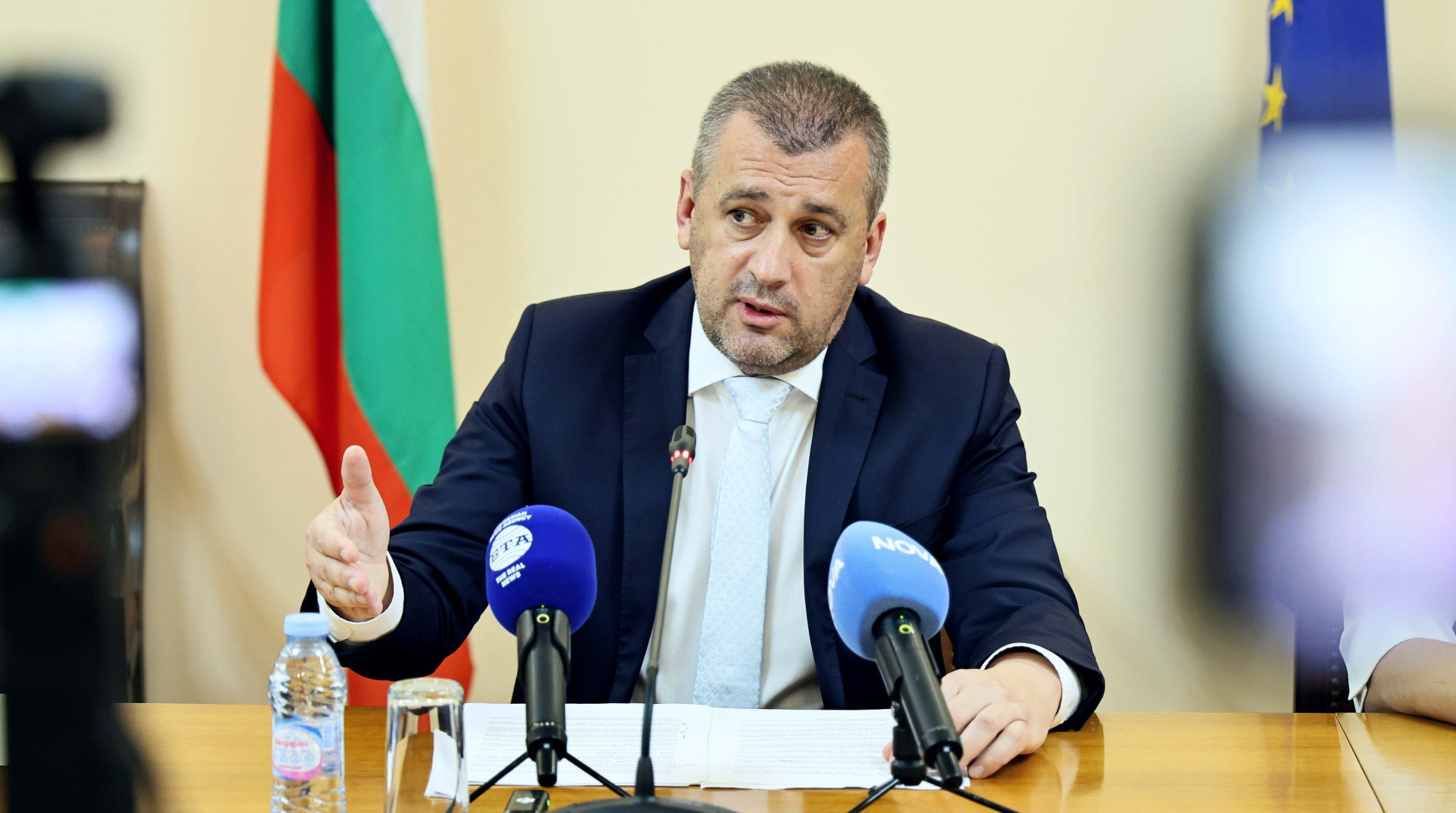
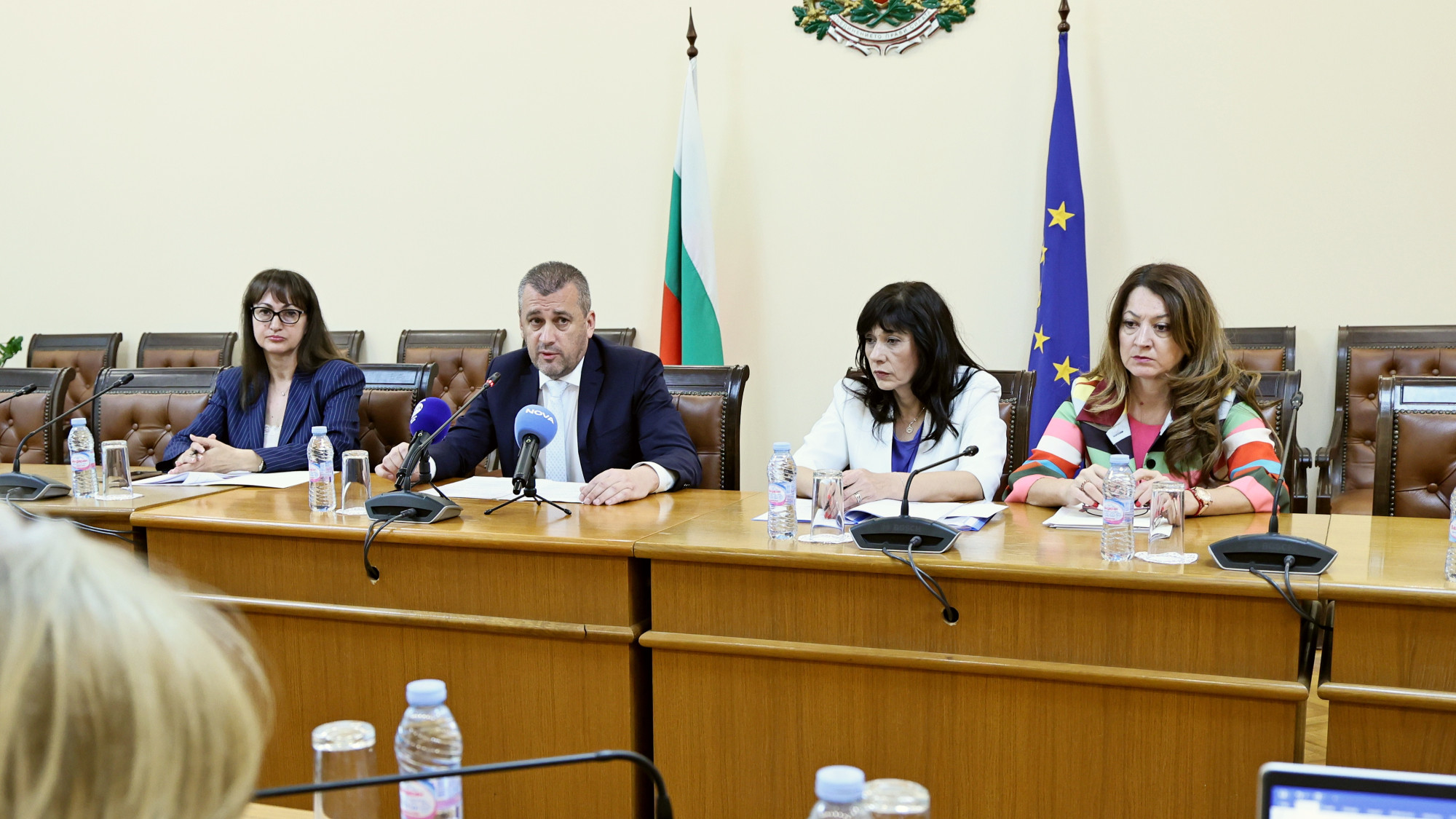
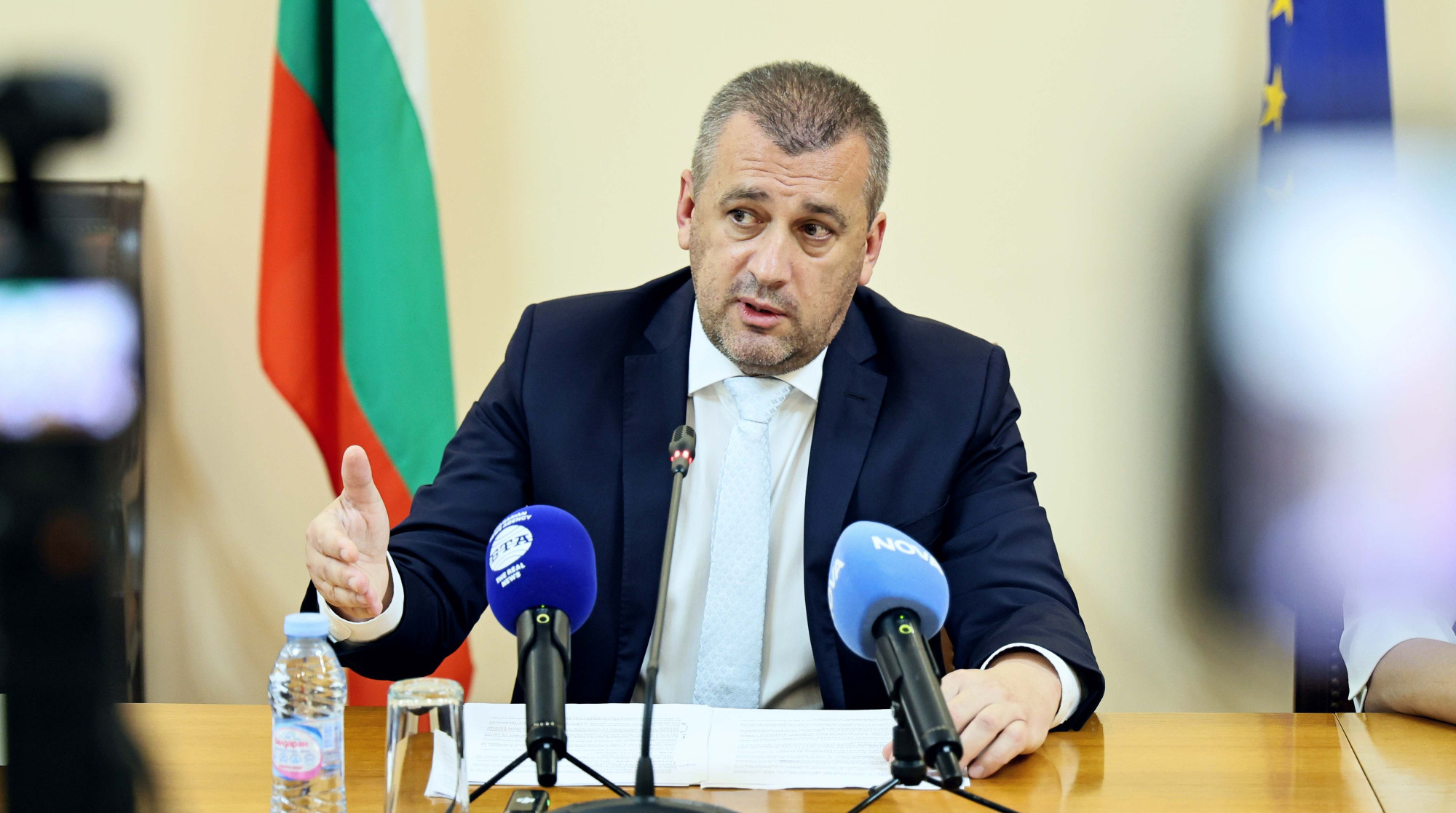
We inherited hundreds of millions of euros in liabilities and projects without secured financing. This was announced by Minister of Transport and Communications Georgi Peev during a press conference at which he presented the ministry’s leadership team and the results of its first 30 days in office.
“Rail transport is the most troubled sector in the system and undoubtedly our greatest responsibility. The analysis we carried out during the first month shows serious accumulated problems that require not cosmetic changes, but a comprehensive change in the way the sector is managed,” Minister Peev said.
The National Railway Infrastructure Company has undertaken liabilities exceeding EUR 764 million without secured financing. The audits have identified a number of questionable public procurement procedures and practices. Among them is a EUR 43 million contract for shrub clearance, the procurement procedure for which was terminated by Minister Peev. Cases have been identified of non-transparent emergency repairs, advance payments made without actual implementation, and projects launched before the completion of expropriation, archaeological and geological procedures.
The minister also warned of a serious risk of losing European funding for railway projects due to delays in infrastructure works.
“Safety comes first and will not be subject to compromise. Nearly 50% of the railway network is operating under temporary or permanent speed restrictions, while the European Rail Traffic Management System (ERTMS) is still not functioning in real operation,” Georgi Peev stressed.
There are also serious problems at BDZ Passenger Services. The company has nearly EUR 30 million in overdue liabilities. A large proportion of the rolling stock currently in use is more than 40 years old. There are also risks related to the maintenance of the Siemens trains, which serve nearly half of the country's railway network. There has been no timely preparation for the maintenance of the new electric multiple-unit trains that are due to be delivered.
The situation at BDZ Freight Services is even more severe, with liabilities exceeding EUR 60 million, more than 80% of which are overdue. The analysis shows that the company is performing part of its contracts at prices below cost, raising concerns about its financial sustainability. “In practice, the freight transport company is in an extremely difficult financial situation and requires urgent stabilisation measures,” the minister said.
There are also serious risks surrounding the delivery of 23 new Alstom electric multiple-unit trains. Although the contract has been signed, the necessary financial resources, amounting to EUR 356 million, have not yet been secured. In addition, the required preparations for their servicing and maintenance have not been made, as the procedures for the modernisation of depots and maintenance facilities have not yet been launched.
The analysis also identified ongoing investigations by the European Public Prosecutor’s Office involving 17 contracts for railway projects. At the same time, the European Anti-Fraud Office (OLAF) is conducting checks related to two rolling stock supply contracts. “The ministry is providing full cooperation to all national and European institutions. If violations are established, there is a risk of financial corrections amounting to approximately EUR 400 million,” Peev said.
Among the most serious problems outside the railway sector, the minister highlighted the situation at Bulgarian Posts, whose liabilities have reached EUR 135 million. According to him, the company is in a critical financial condition, and measures for financial stabilisation, restructuring and the development of a new growth strategy are forthcoming.
In the communications sector, progress has been reported on the broadband connectivity project. Delayed permits have been issued, more than 700 km of new optical fibre infrastructure has been built, and over 109 municipalities have been connected to the state network.
Regarding road transport, the minister announced that, due to numerous reports of corrupt practices, an analysis will be conducted of the possibility of transferring the control functions of the Executive Agency Automobile Administration to the Ministry of Interior.
Minister Peev also addressed the concession of Sofia Airport, announcing that an independent financial and economic analysis is being carried out to assess the economic balance of the concession and the possibilities for restoring payments to the state.
With regard to the HEMS air emergency medical service system, problems have been identified related to delays in pilot training, the designation of bases and administrative organisation. Specific proposals to improve the system’s efficiency are to be prepared. The ministry is also working on the introduction of new technological solutions, including the use of unmanned systems and drones to enhance the safety and efficiency of transport control and monitoring.
In the water transport sector, a key focus will be the removal of administrative barriers to investment and the acceleration of procedures for the preparation and approval of port master plans. Currently, the ports of Varna, Burgas and Ruse still do not have approved master plans, which limits opportunities for infrastructure development and the attraction of investment.
“Our priorities are clear - safety, the efficient use of European funds, infrastructure modernisation, the digitalisation of services and transparency in the management of public resources. Fewer promises and more results - that will be the approach of our team,” Minister of Transport and Communications Georgi Peev said in conclusion.